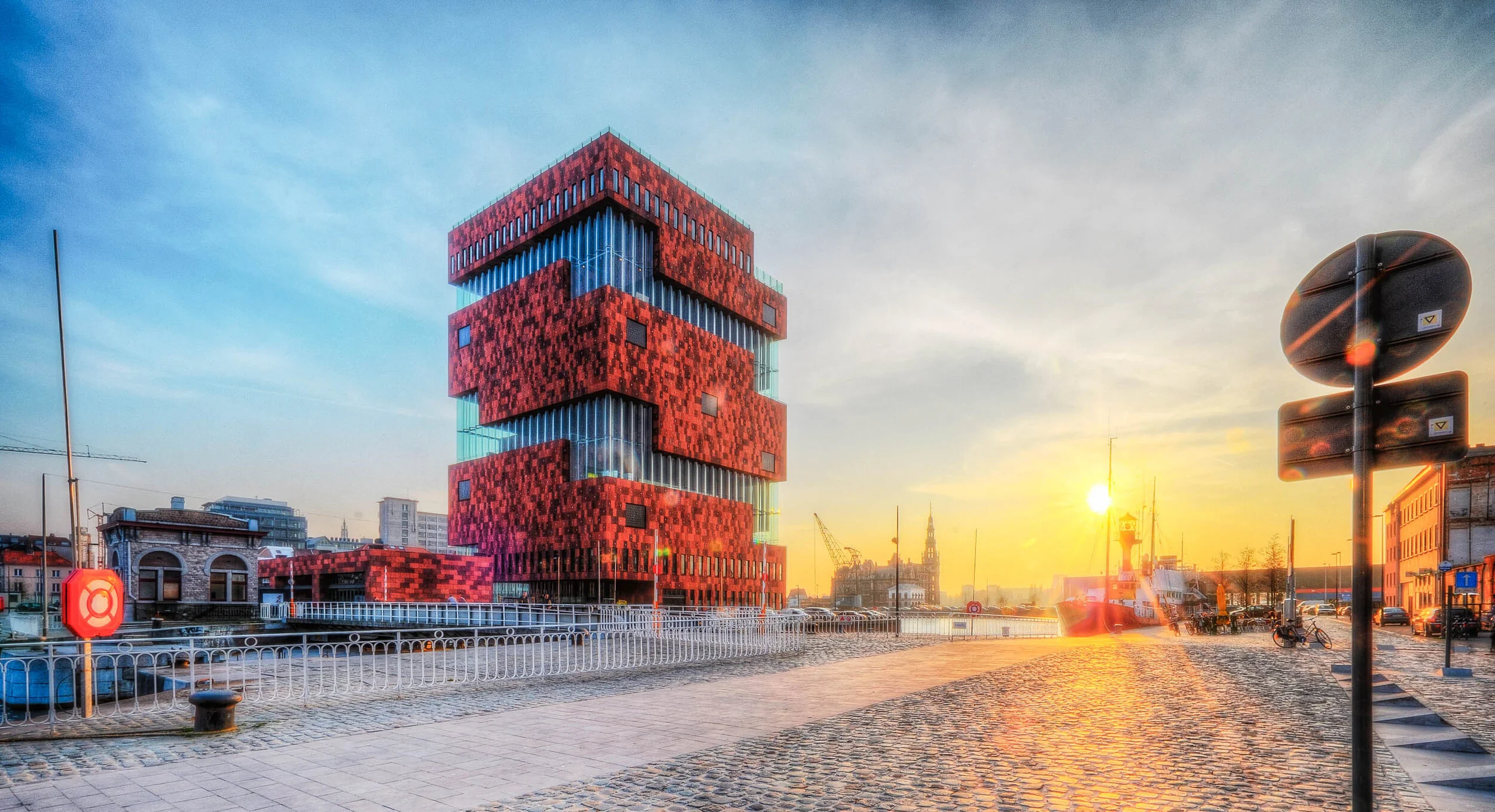
Architectural photographer: bringing out the best in lines, light and volumes.
The art of capturing architecture: more than an image, a vision.
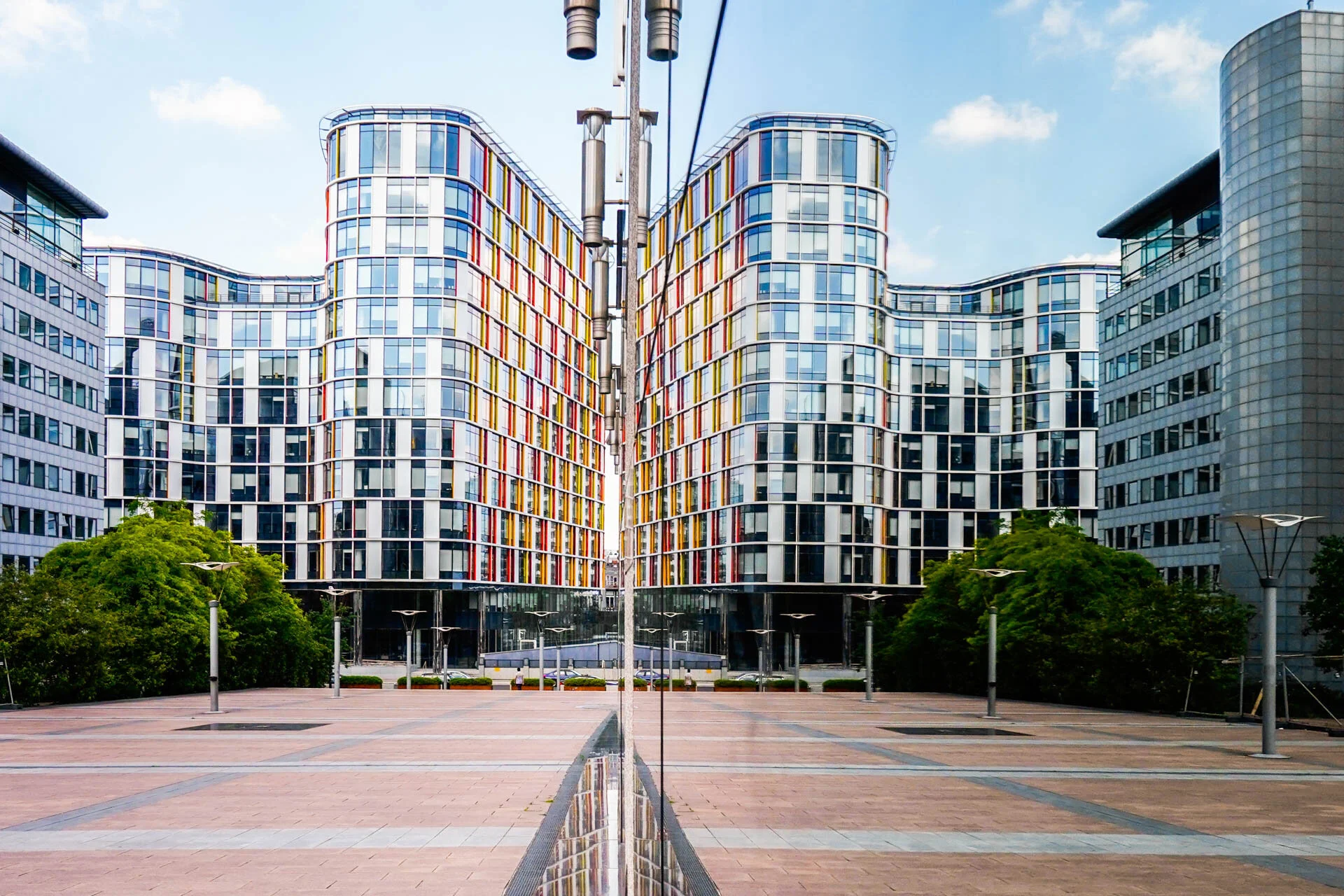
Architectural photography is not confined to factual depictions of buildings or façades. It is a distinct artistic and technical discipline that aims to capture the essence of human constructions through imagery. It highlights lines, textures, materials, volumes and the organisation of spaces, as well as the interaction between a building and its surroundings. Each photograph thus becomes a photographic interpretation of the architect’s work, capable of evoking an emotion, offering a new perspective or fostering a dialogue between the space and the viewer.
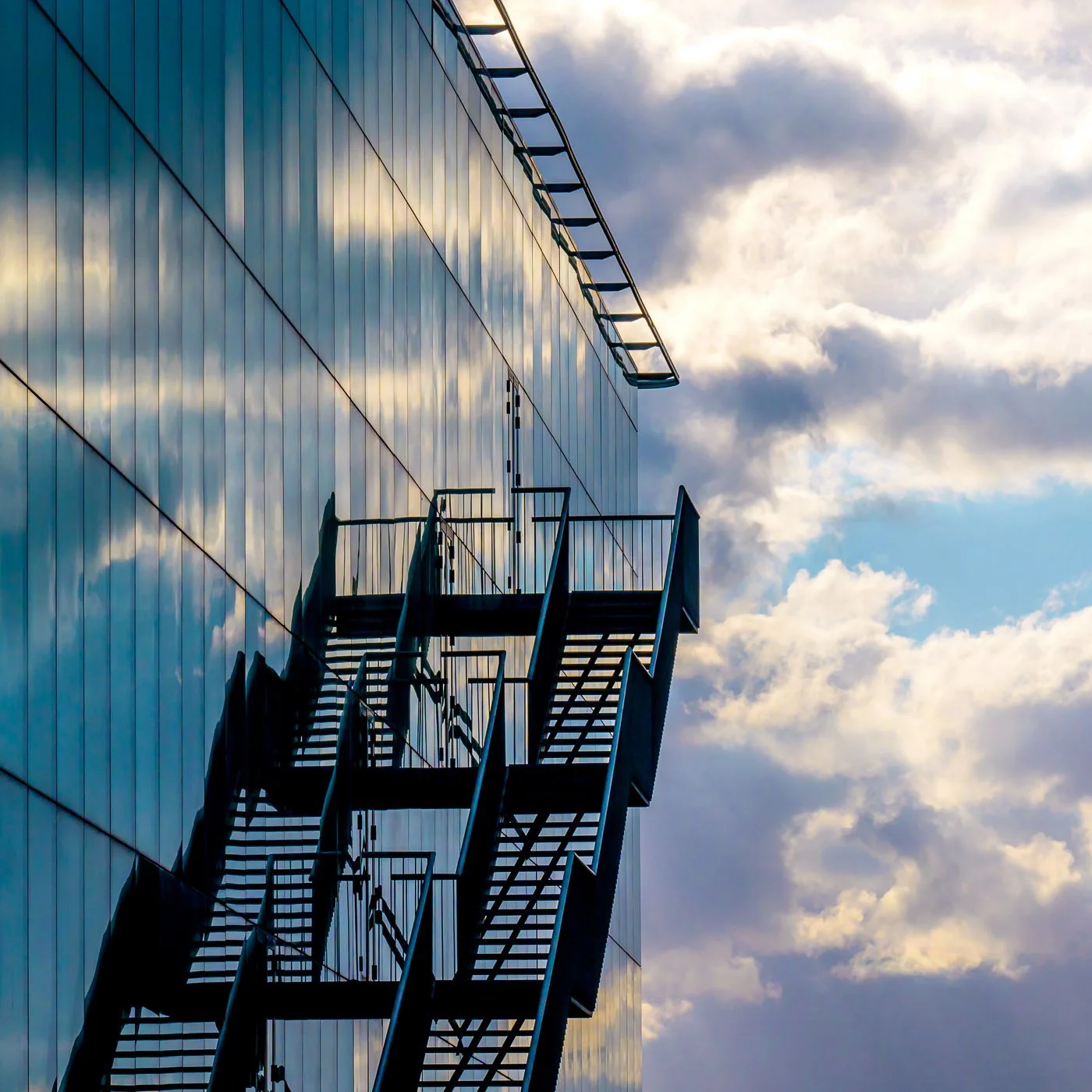
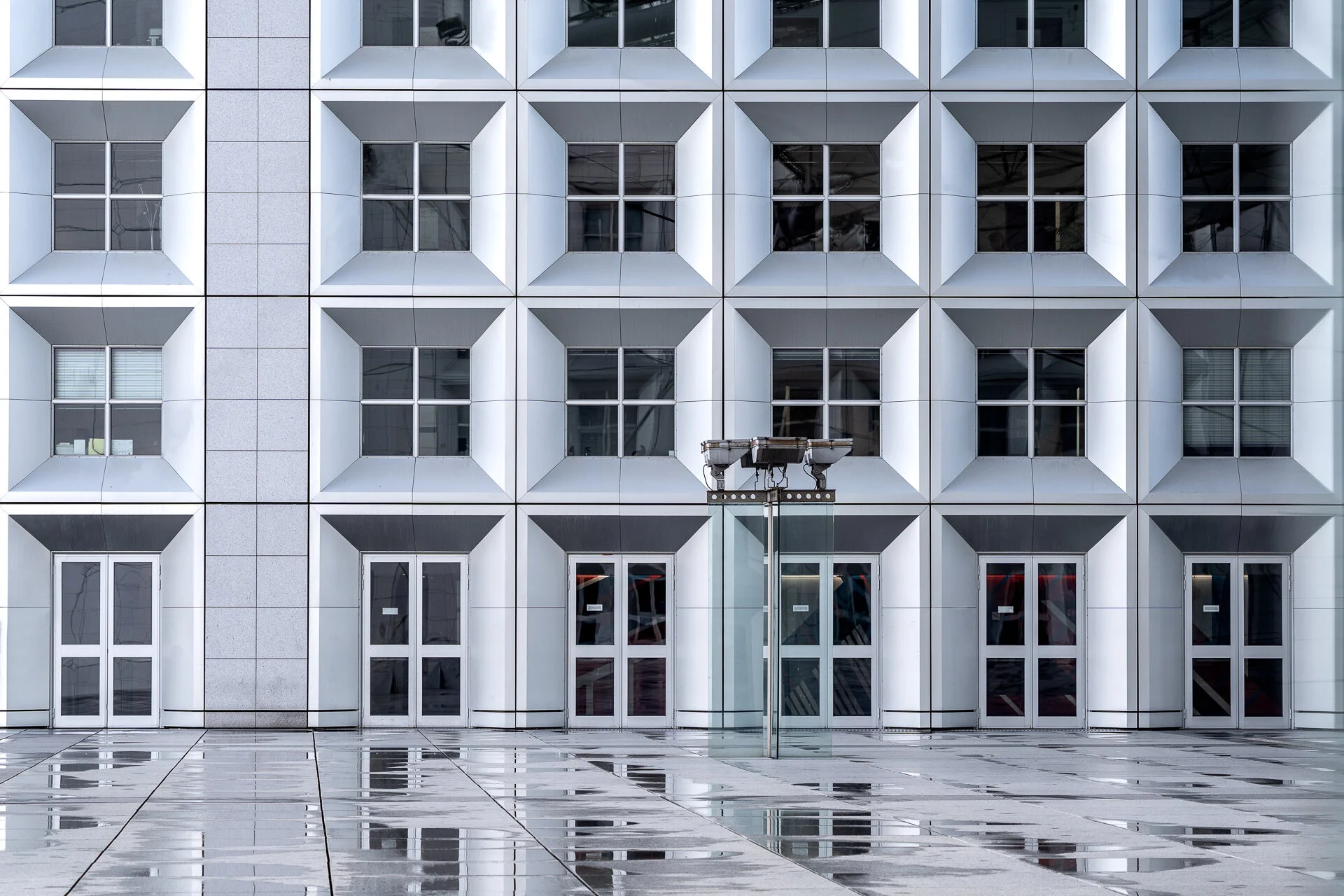
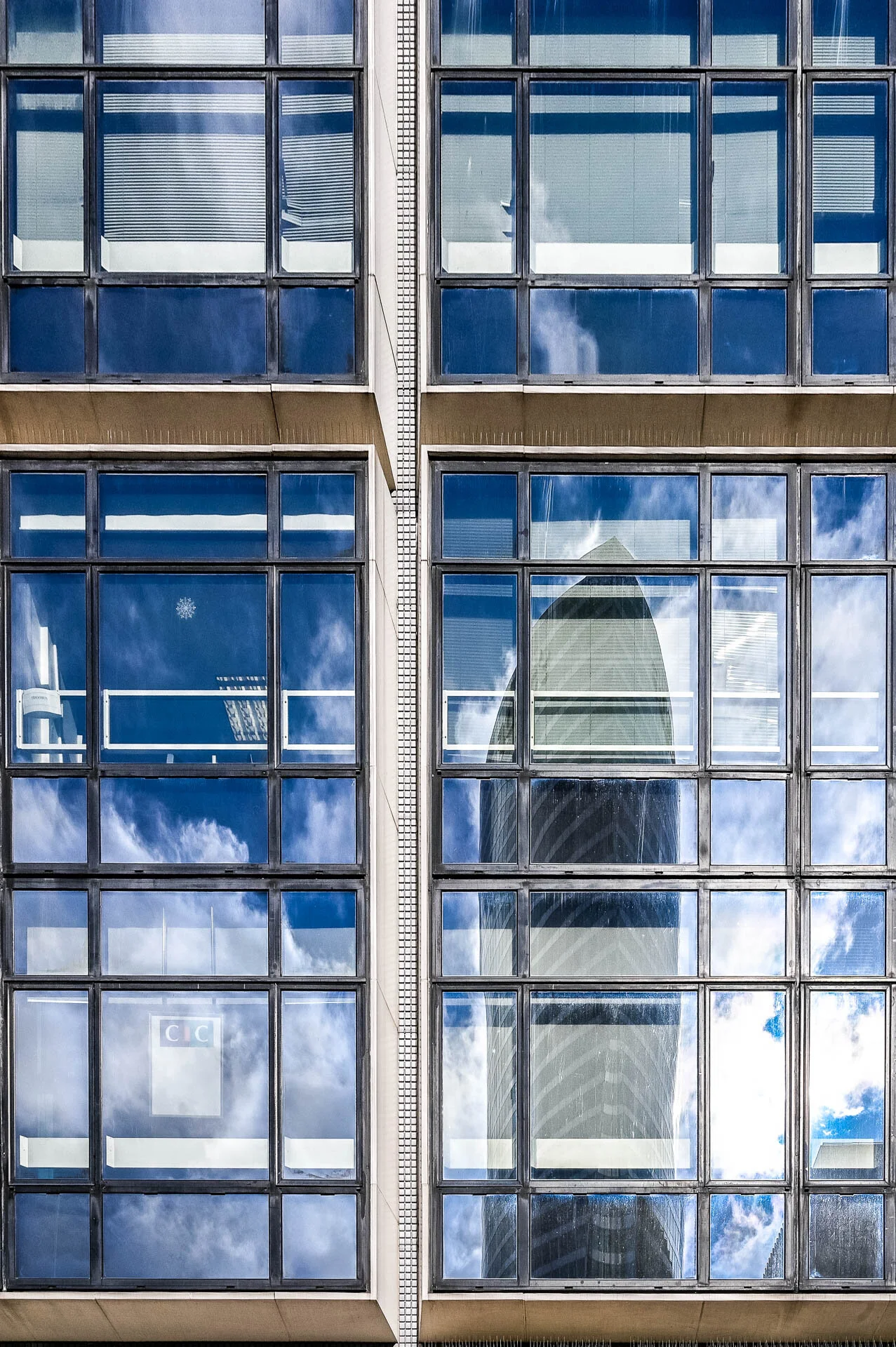
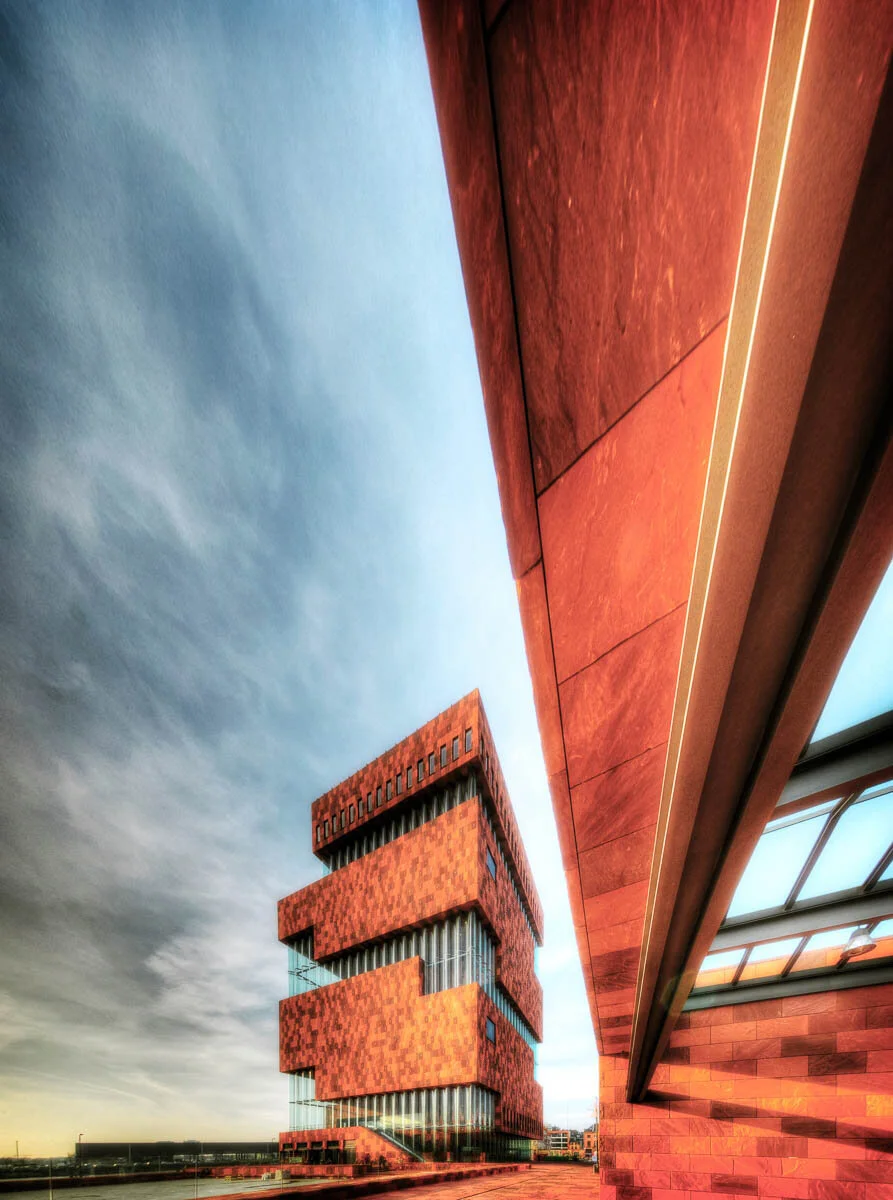
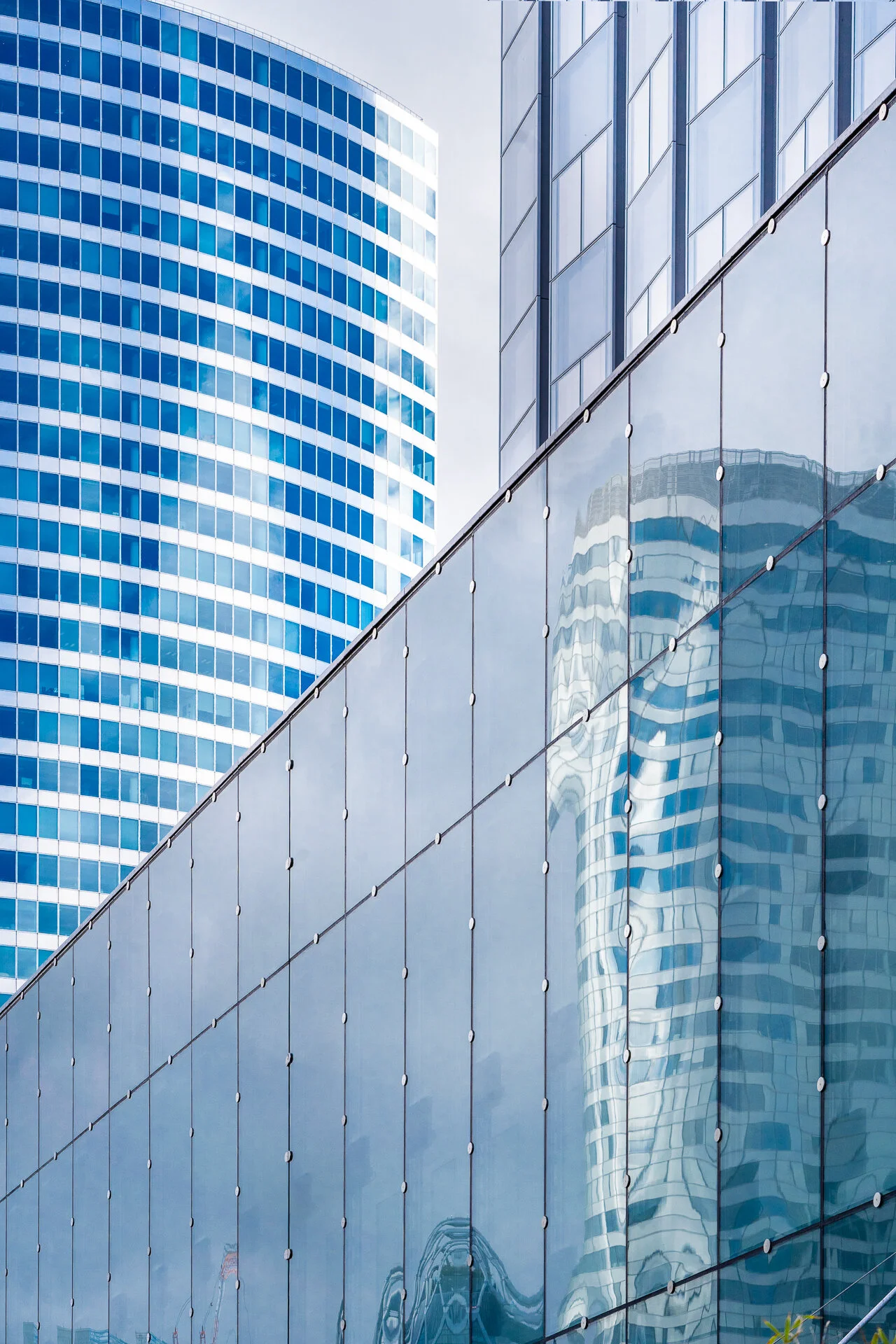
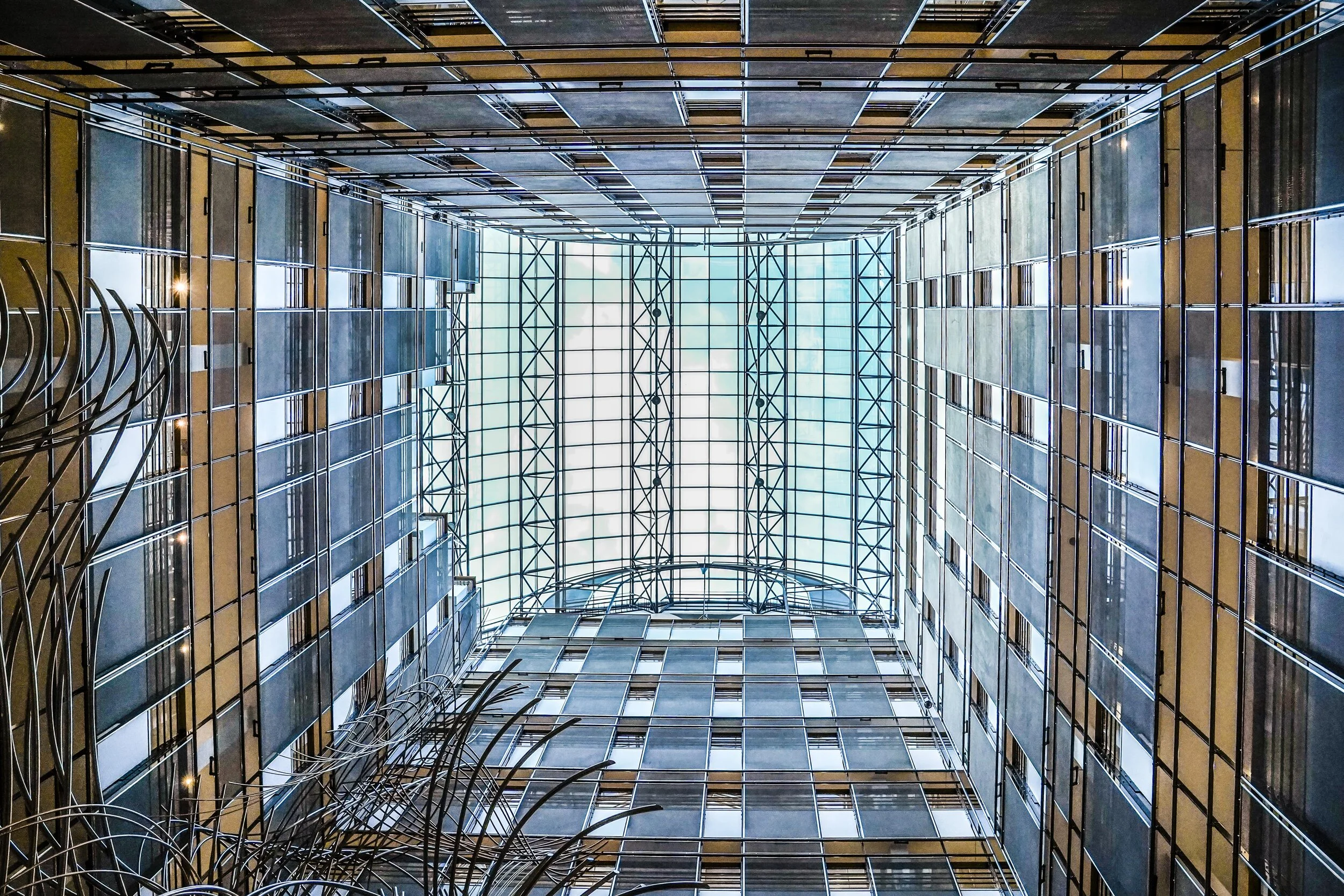
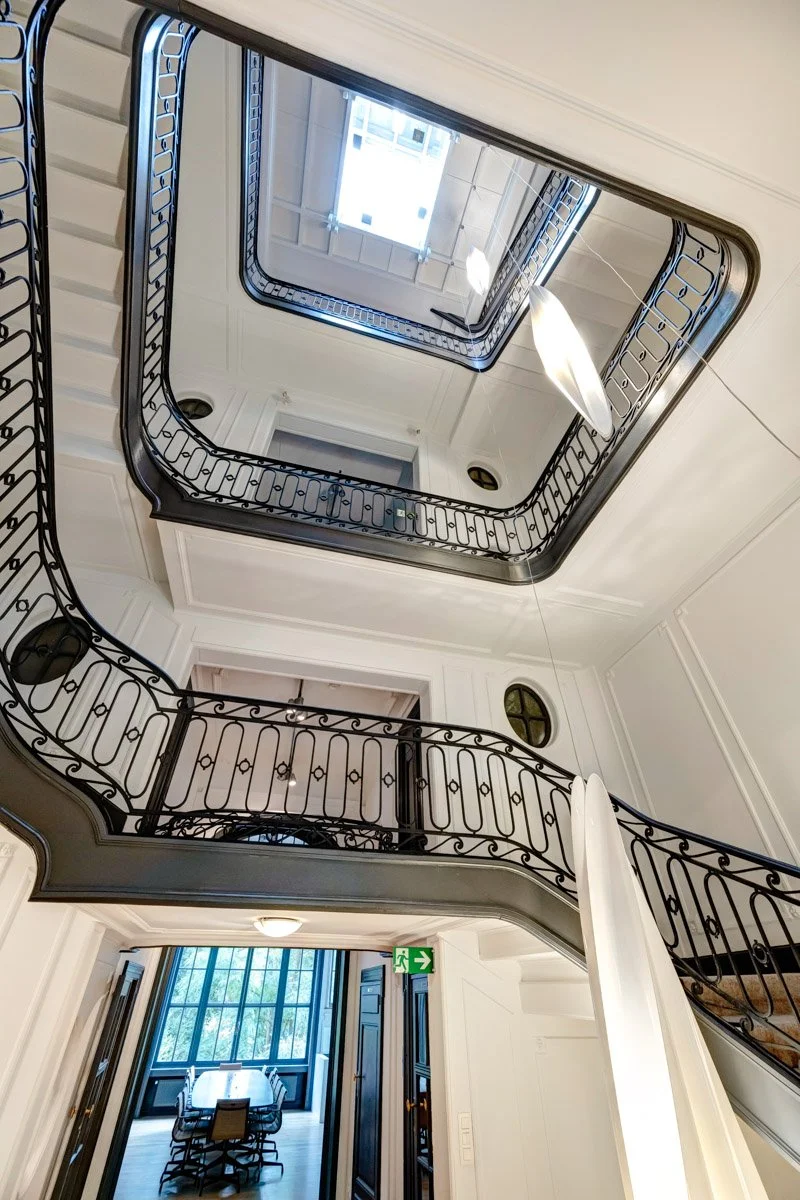
Photographing a building means revealing its subtleties: the play of natural light on exposed concrete, the harmonious repetition of patterns, the shadow cast by a pillar at dusk, the dynamism of a staircase seen from a low angle… A skilled architectural photographer knows how to wait for the right moment, capture the instant when light complements the structure and anticipate reflections and backlighting, while mastering the strict rules of composition.
Light: the raw material of architectural photography
In architectural photography, light plays a central role. It sculpts forms, reveals contours, accentuates textures and creates contrasts. Depending on the time of day (dawn, midday, late afternoon, night), the atmosphere changes completely. A façade bathed in soft light at sunrise will look completely different from the same façade photographed under a leaden sky or during the blue hour.
Choosing the right moment to take a photograph is therefore a strategic decision. It is not simply a matter of making the most of good light, but of understanding it and mastering it. The professional photographer works with shadows, reflections, low-angle or diffused light, and sometimes even with the artificial lighting built into the buildings. Managing colour tones (warm, cool and neutral whites), colour temperature and exposure are also crucial elements in bringing out the best in buildings.
The precision of composition and perspective
While emotion has its place in architectural photography, technical rigour remains essential to producing high-quality images. The architectural photographer must master the rules of composition, the interpretation of vanishing lines, the balance of forms, framing, the observance of proportions and, above all… the management of perspective.
One major challenge is to avoid visual distortions that can distort the perception of volume or make vertical lines appear slanted. To achieve this, professionals often use tilt-shift lenses, which correct perspective distortion, especially when shooting from low or high angles. This approach preserves the designer’s vision and ensures that the images remain faithful to the architectural reality.
The architectural photographer’s tools
High-quality equipment is essential for successful architectural photography. Here are the tools most frequently used by specialist photographers:
- Full-frame or medium-format cameras: they deliver high resolution, a wide dynamic range and precise detail reproduction.
- Professional fixed-focal-length or tilt-shift lenses ensure sharpness and perspective control.
- Sturdy tripod: it ensures perfect stability and precise exposure, particularly during long exposures or in low light.
- Remote shutter release or self-timer: to avoid micro-vibrations when taking the photograph.
- Polarising or ND filters: to manage reflections on glass or enable long exposures.
- Post-processing software such as Lightroom, Photoshop or Capture One is used to correct colours, adjust contrast and reveal details without distorting reality.
The various specialisms within architectural photography
Architectural photography encompasses several sub-fields, each serving very specific needs and purposes:
1. Outdoor photography
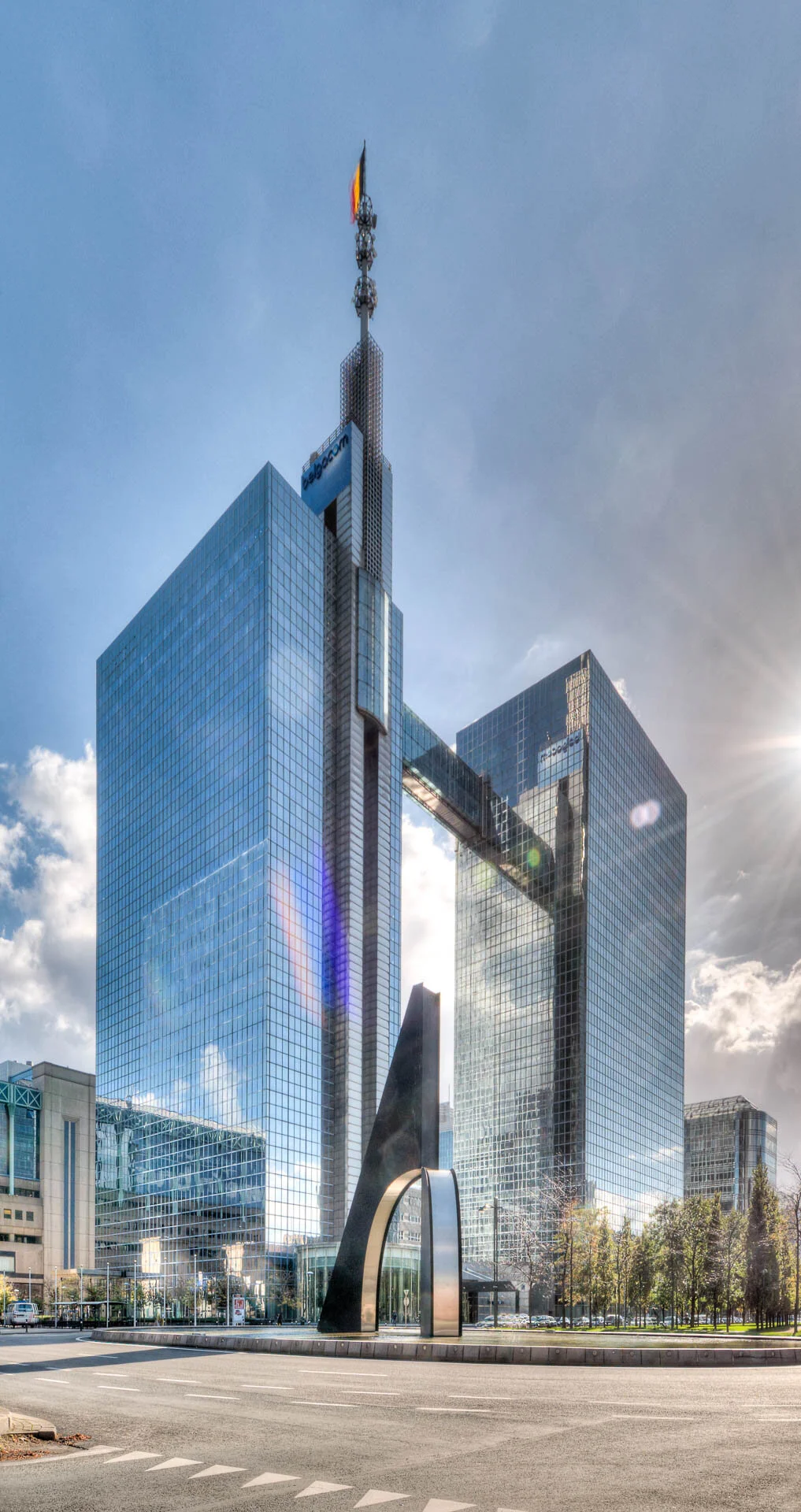
This form of photography highlights façades, roofs, volumes and layouts within their urban or natural surroundings. It shows how a building interacts with its neighbourhood, the street, green spaces and even the topography.
2. Interior photography
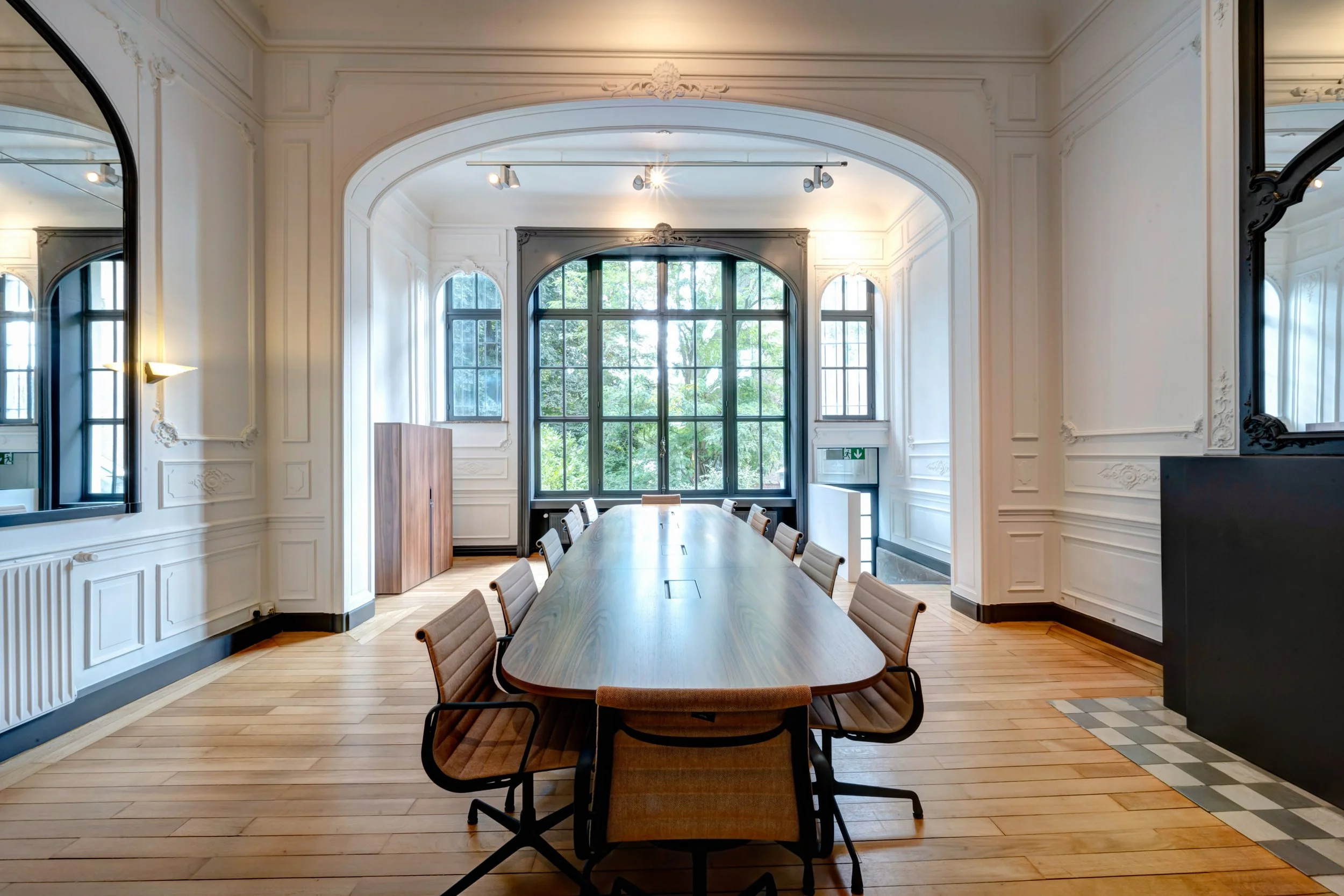
It focuses on showcasing living and working spaces. The interplay of volumes, circulation, natural light, layouts, furnishings and atmosphere are the key elements. This discipline also requires a keen eye for staging (tidiness, props and visual clarity).
3. Property photography
Its commercial purpose is to sell or let a property. The aim is to attract, entice and create a sense of desire. This involves striking a subtle balance between realism and presentation, without distorting reality, whilst highlighting a property’s strengths (natural light, floor area, quality of finishes).
4. Heritage photography
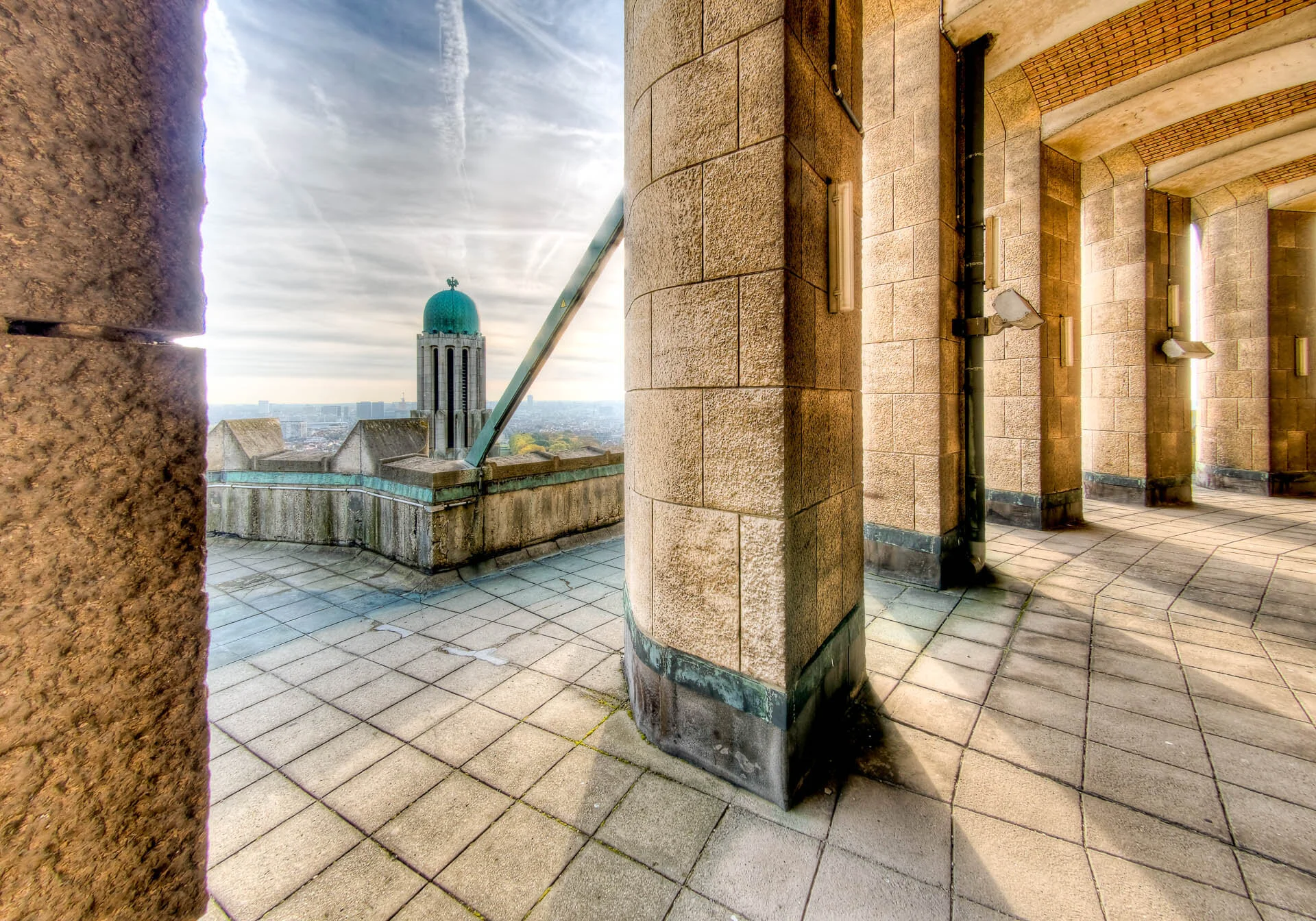
It supports the conservation and promotion of architectural heritage, whether a castle, a listed site, a religious monument or an Art Deco house. The images can be used for documentation, cultural mediation or publication in institutional media.
5. Industrial photography
It covers complex infrastructure, factories, logistics centres and technical facilities (power stations, warehouses, production halls). It also documents processes and highlights technological innovation.
ISOWAY: your partner in architectural photography
At ISOWAY, we believe that architectural photography is, above all, a fusion of technical rigour and visual creativity. We work with architects, developers, businesses, institutions and local authorities to showcase their built projects, ranging from private homes to public buildings, including commercial spaces and industrial sites.
Our photographic approach is always guided by a sense of place, the building’s function and the architect’s vision.
Our areas of expertise:
- Public buildings: schools, cultural centres, libraries, town halls, hospitals, museums.
- Commercial premises: shops, restaurants, hotels, shopping centres.
- Residential: architect-designed houses, blocks of flats, renovated flats.
- Heritage: listed buildings, religious buildings, historic sites.
- Industrial: logistics centres, factories, technical equipment.
- Urban planning and landscape: parks, public spaces, transport infrastructure.
Our team of professional photographers travels throughout Brussels, Wallonia, Flanders and Luxembourg to meet your needs, offering flexibility, professionalism and discretion.
Additional services for your architectural projects
Aerial photography using drones
To provide a comprehensive overview, reveal how a project fits into the landscape or illustrate large-scale works, we offer aerial photography using a professional drone (operated by a certified remote pilot). This allows us to highlight the building’s scale, urban connections or show the progress of a construction site as seen from the sky.
Construction site monitoring and photo report
We deliver photographic reports throughout the construction process or at key moments (laying of the foundation stone, inauguration, handover of the project). These images constitute a valuable visual archive and can also be used for internal or external communications.
Corporate and institutional photography
For architectural projects, we also capture professional portraits, images of your teams at work and visuals to illustrate annual reports, press kits and tender documents.
Architecture-related event photography
We also cover architecture-related events: openings, previews, conferences and open days. Our photographers capture the atmosphere while showcasing the venues.
Why use a photographer who specialises in architecture?
Entrusting the photography of your buildings to a non-specialist photographer can result in images that are technically flawed, poorly framed or unflattering. Conversely, a professional architectural photographer has a thorough grasp of all the conventions of the genre. They know how to engage with architects, read plans, understand the spatial intent and visually capture what the eye perceives in three dimensions.
Choosing ISOWAY means choosing:
- delivering consistent image quality.
- with a keen understanding of aesthetic and technical considerations,
- presented in a way that appeals to your target audience (clients, buyers, institutions, journalists…).
- Deliveries are fast and optimised for both web use and high-definition printing.
Contact us to bring your architecture to life.
Do you have an architectural project that needs documenting, showcasing or promoting? Are you looking for a professional photographer in Brussels or elsewhere in Belgium to capture your buildings at their best? The ISOWAY team is here to help.
👉 Contact us today to discuss your requirements, receive a personalised quote or arrange an on-site photo shoot.