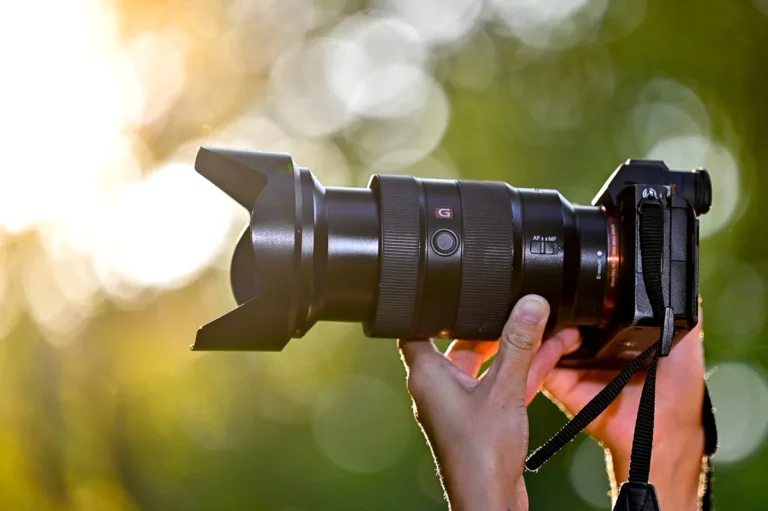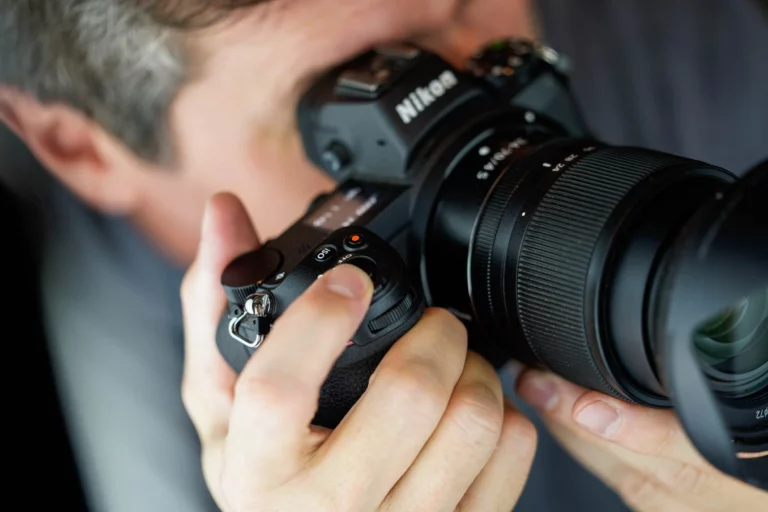
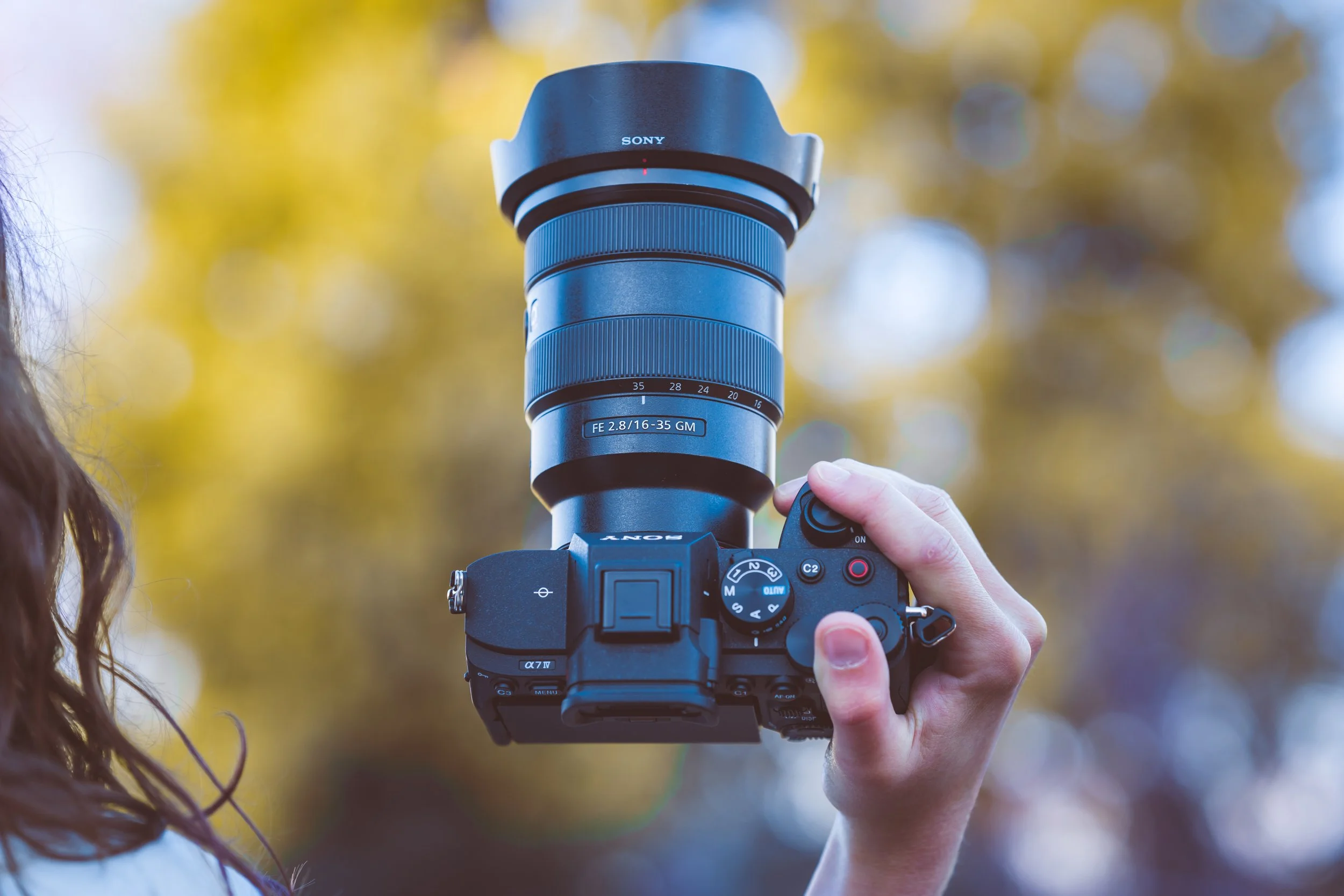
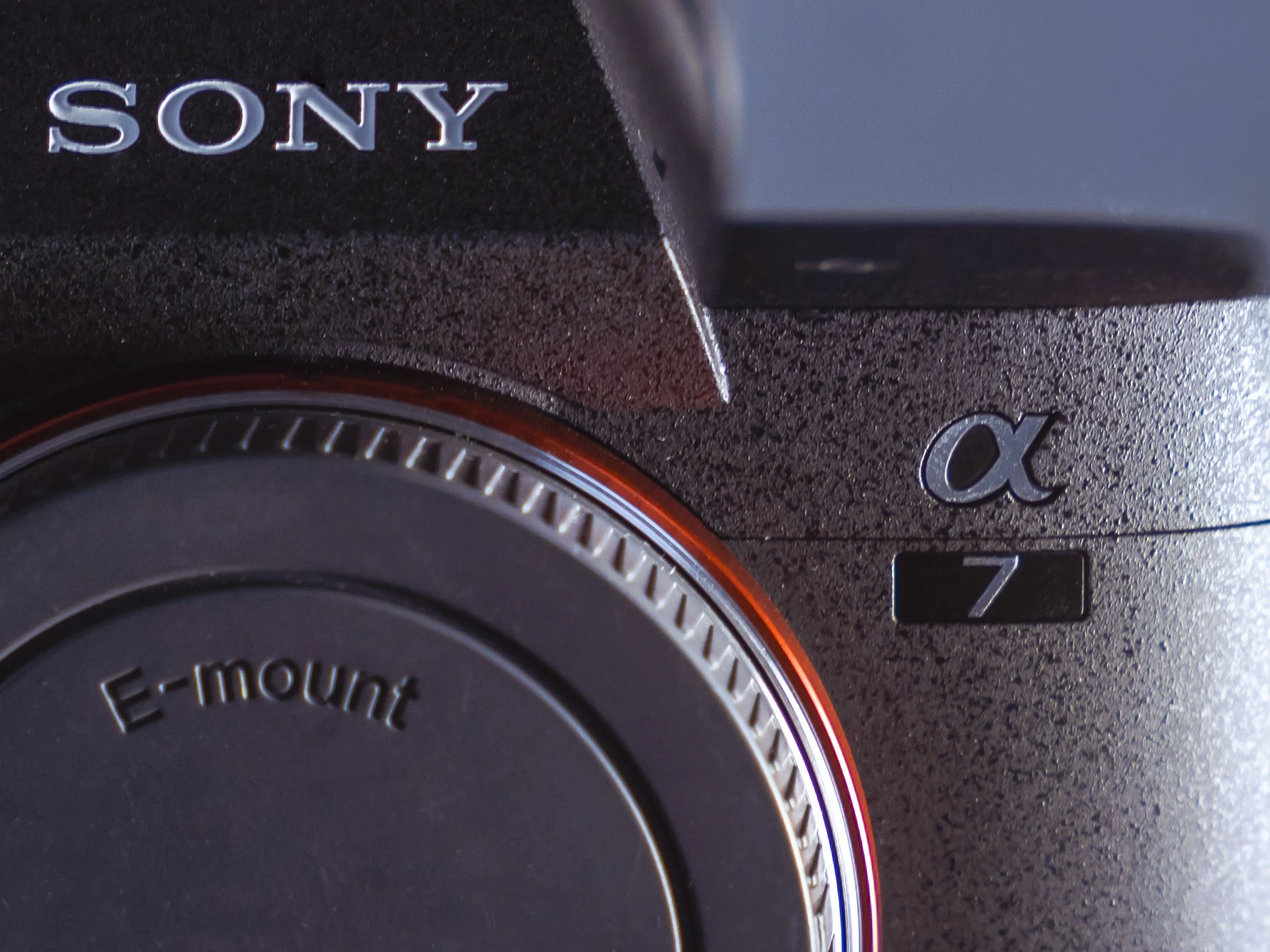
We tested the Sony Alpha 7 IV.
Is a new case on the cards, or not at all?
Some background is required.
We are regular Sony photographers and perhaps not entirely objective in this matter. We acknowledge that Daïna is a devoted enthusiast.
Let us nevertheless outline the strengths and weaknesses of Sony’s new camera: the Alpha 7 IV.
With two Alpha 7 III cameras to our name (primarily Daïna’s…), we switched entirely to mirrorless cameras in 2019. We have no regrets.
These cameras perform exceptionally well in:
-
A full-frame sensor
-
24 Mpx
-
5-axis stabilised
-
Rapid autofocus.
On paper and in the field, the Sony Alpha 7 III cameras are top-of-the-range. They have been through a lot. As a professional press photographer, and later as a corporate and institutional photographer, I have tested and retested these cameras, and they have been approved. Eye-tracking autofocus is exceptionally effective, and it has become an essential tool.
But why change? Is it really worth switching to the Sony Alpha 7 IV? Is the switch worth the cost?
Initial impressions of the Sony Alpha 7 IV
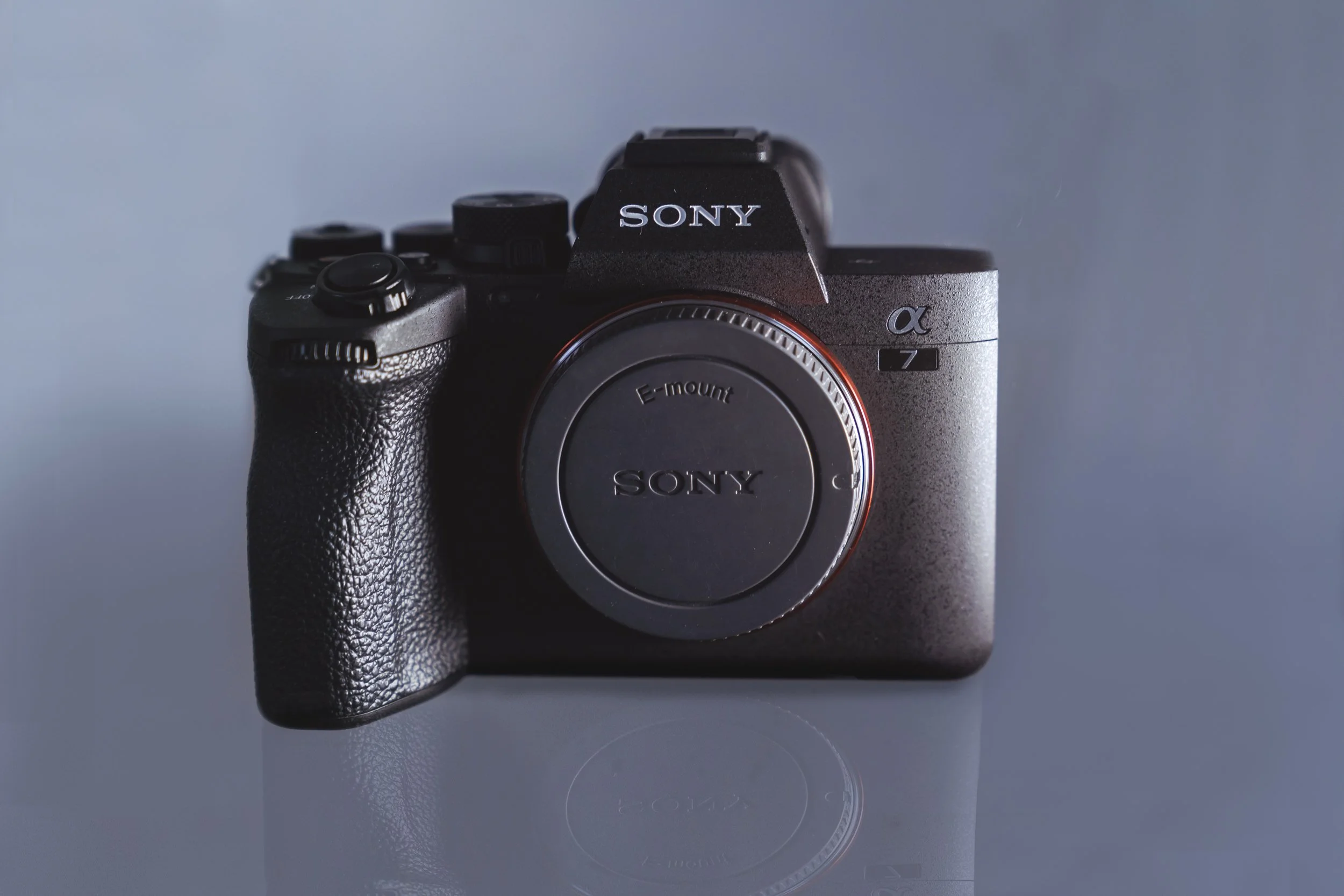
The camera is barely visible, yet the transformation is already significant.
-
The camera is slightly larger, slightly bulkier and features a more contoured grip. This will be welcome news for some photographers who did not like the feel of the Sony Alpha 7 III. However, for Daïna – and perhaps for some female users – the grip is less comfortable.
-
A new screen design has been introduced. Presumably in response to demand from videographers, the screen now mounts on a ball joint. However, for a professional photographer, this screen is less practical as it folds out to the side of the body.
One advantage: the screen can be angled in any direction and can also be folded back into the body of the device (which protects it during transport – an improvement, given the state of Daïna’s screens 🙄).
-
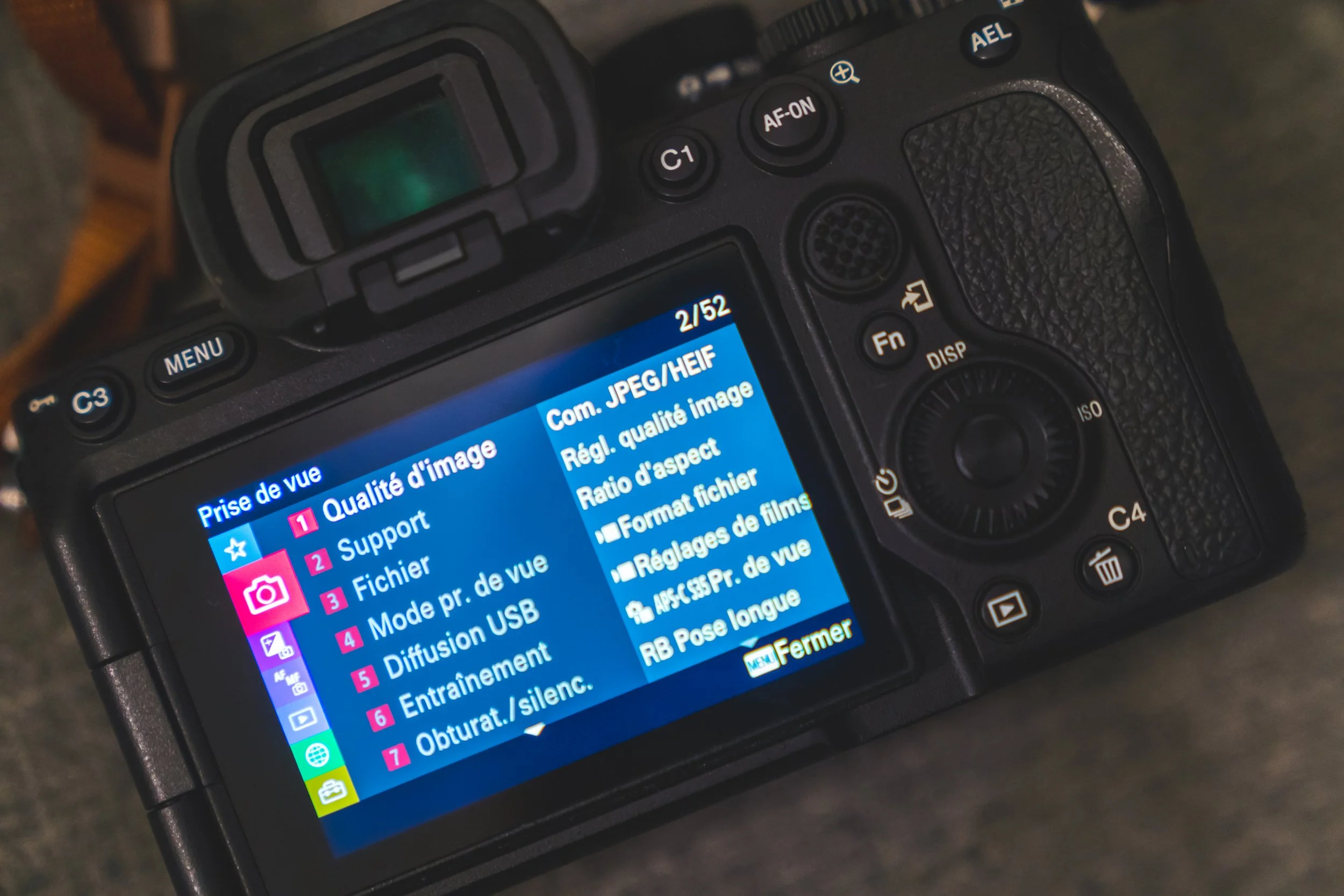
The menu is changing. The horizontal tabs have been removed and replaced with a vertical layout. The new version is slightly better organised and slightly clearer, but a few details still need adjustment to improve clarity.
-
There have also been some changes to the buttons. Although they remain fully customisable, the C1, C2, C3 and C4 buttons have shifted slightly. This can be disorienting if you have well-established shooting habits, but after about a week the new layout feels natural. However, the REC button, positioned next to C1, is the most intrusive for photographers who do not shoot video. Fortunately, it can be disabled.
The joystick has been refined and is now more responsive and more comfortable to use than on the Sony Alpha 7 III.
Getting Started with the Sony Alpha 7 IV
There are several types of professional photographer: advertising photographers, sports photographers, corporate photographers, event photographers, etc.
We tested the new Sony Alpha 7 IV camera in our usual professional context: corporate photography and portraiture.
Now it’s time for a real-world test!
-
Equipped with a new 33-megapixel CMOS sensor – offering higher resolution than the A7 III’s 24-megapixel sensor – the Sony Alpha 7 IV delivers significantly larger images. Its photos measure 7008 x 4672 pixels, and its RAW files weigh between 35 and 40 MB. This is reasonable, but not always necessary, especially for photo assignments.
However, the large sensor size makes it easy to crop images while preserving sufficient resolution in the final file. -
Image stabilisation is always available to assist the photographer. There is nothing to complain about – simply benefit from this 3-axis stabilisation:
Mechanical stabilisation
Digital stabilisation
Post-processing stabilisation. -
One might have expected an improvement in ISO performance between the Sony Alpha 7 III and the Sony Alpha 7 IV. However, when discussing a camera with a larger sensor, it is important to realise that this also means the ISO range is not as high. So there is no notable improvement here; the camera remains very good. It performs at the same level as the Alpha 7 III in terms of ISO performance. There is nothing remarkable here, but this is to be expected given the Alpha 7 IV’s higher-resolution sensor.
-
A useful connectivity feature is the Sony Imaging Edge Mobile app, which uses Bluetooth and Wi-Fi to connect to the Alpha 7 IV. Photographers no longer need to pair the device each time; the app remembers your camera, and file transfers are significantly faster.
-
And finally, let’s discuss autofocus.
That was the moment we fell in love!
The Sony A7 IV’s autofocus is extremely fast; it locks onto subjects very quickly (much faster than the Sony A7 III) and its eye detection is almost flawless. And that’s even with face masks! There’s really no doubt about it: when it comes to eye detection (and even object detection) and autofocus tracking, Sony is top of the range!
For technicians, professional photographers or simply for those who are a bit mad
Here are the technical specifications for the Sony Alpha 7 IV camera:
-
Sensor: 33 Mpx full-frame
-
Stabilisation: Mechanical
-
Stabilisation: 5-axis
-
Viewfinder: 1.3 cm OLED electronic viewfinder
-
Display: 7.5 cm LCD touchscreen, on a ball joint, 1,036,800 dots
-
ISO sensitivity: 100 – 51,200 ISO
-
Maximum photo resolution: 7680 x 4320 pixels
-
Video mode: 4K 60 fps, 10-bit 4:2:2
-
Dimensions: 96 x 131 x 79 mm
-
Weight: 658 g.
Our verdict on the Sony Alpha 7 IV
The question was simple: ‘As a photographer, should I upgrade from the Sony Alpha 7 III to the Sony Alpha 7 IV?’
The answer is equally straightforward: yes.
The key factor is the autofocus improvement. This is where the main advancement lies. As a professional photographer, the 24-megapixel sensor is currently sufficient in the field, and you can also easily increase the ISO, just like on the Sony Alpha 7 III, whose handling we prefer.
The autofocus and subject tracking are impressive and a significant advantage.