Interpreting reality through black-and-white photography
Black and white as a form of expression in contemporary photography
There is something enduring about greyscale imagery. A historical technique rooted in analogue photography, it documents diverse eras. Despite the advent of colour film in the 1960s, black-and-white photography remains timeless. Initially sidelined by technical limitations, it quickly established itself as an enduring art form.
Many leading contemporary photographers, such as Michael Kenna and Damon Winter, have made black and white their speciality. We can be certain that all passionate photographers, both professional and amateur, have practised it and will continue to do so.
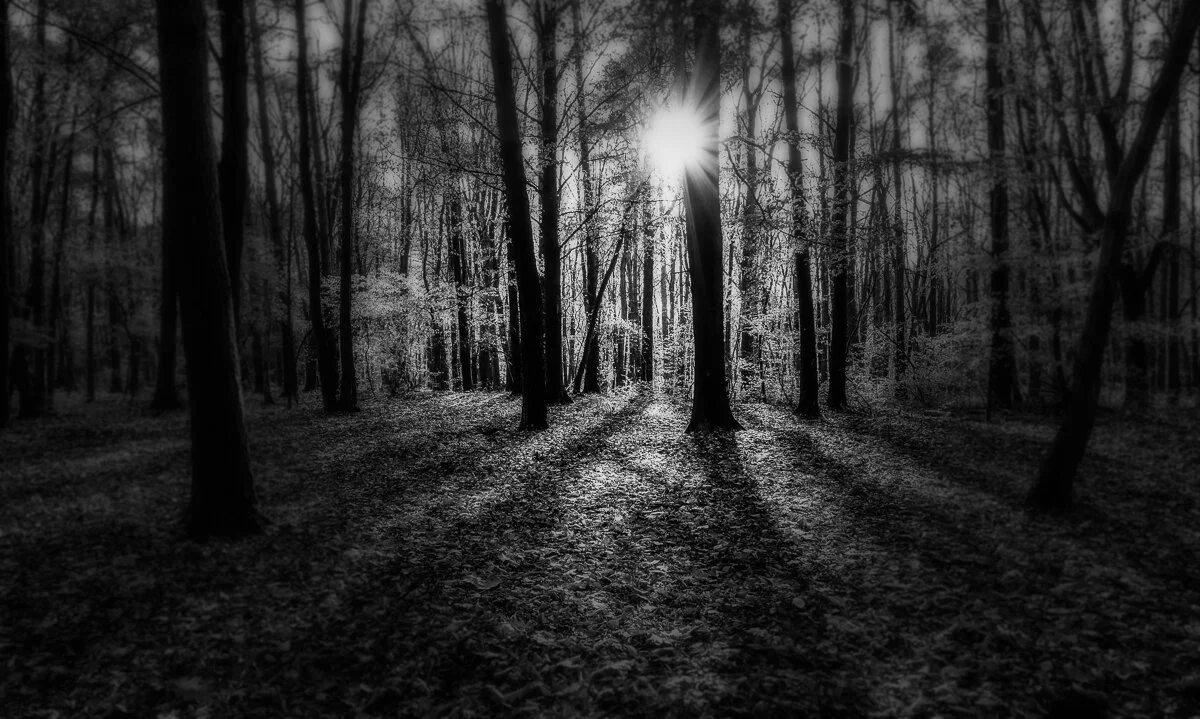
If colour photography is a representation of reality, then black-and-white photography can be seen as an interpretation of reality.
Monochrome is ideal for emphasising:
-
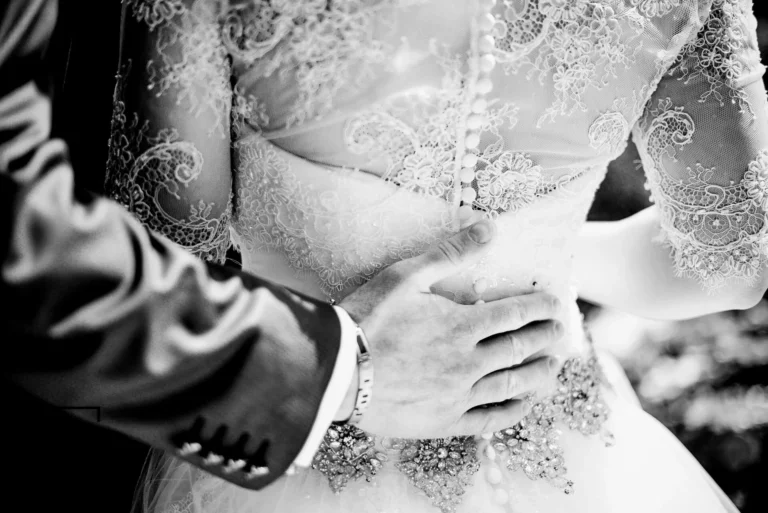
Textures such as wood, stone or brick.
-
Materials such as leather, cotton and fabric.
-
Lighting and strong contrasts; the differences between shaded areas and those that are brighter.
-
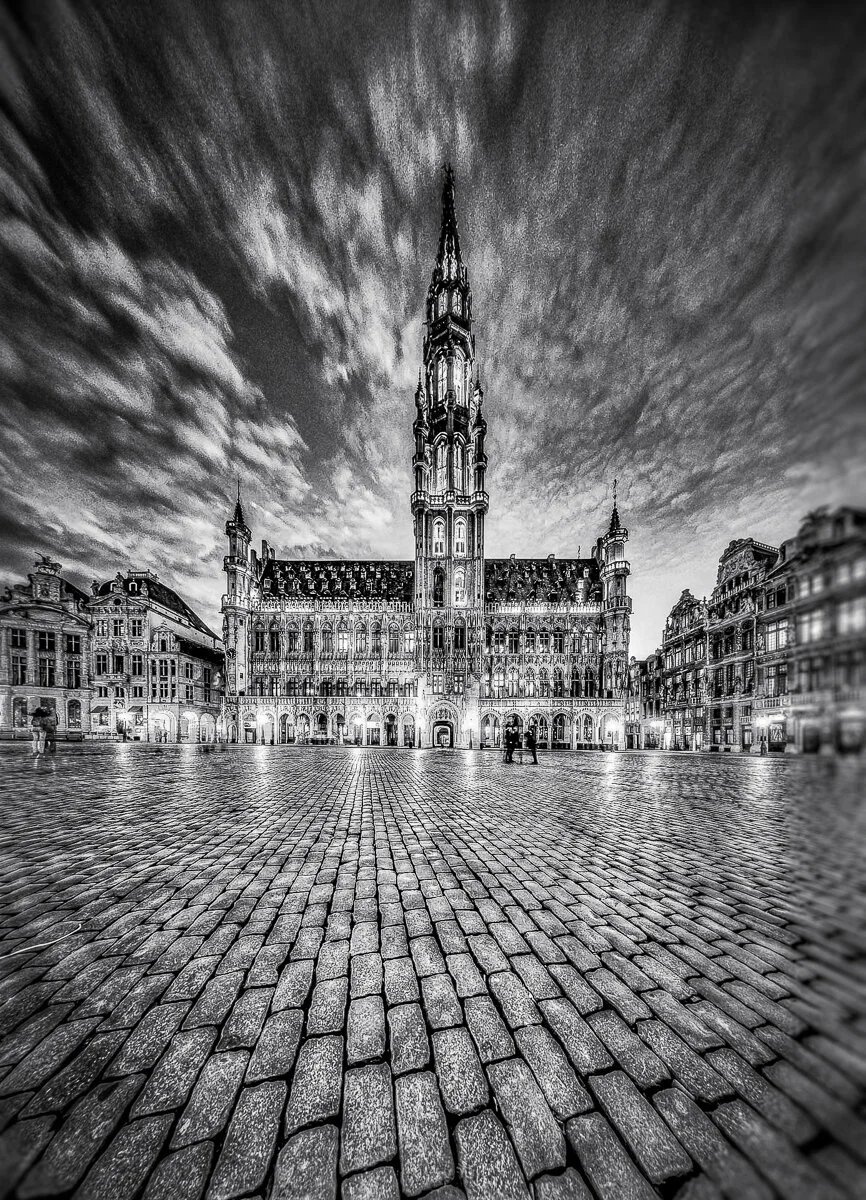
The lines and symmetries are given the full intensity they deserve.
Ignoring colour also helps to create a more harmonious overall effect in the image. The result is an elegant photograph with real character.
Black and white therefore helps to guide the viewer’s eye and to showcase a scene, a landscape, a piece of architecture or a portrait.
This game offers extensive creative scope for professional photographers.
‘Dodge and Burn’
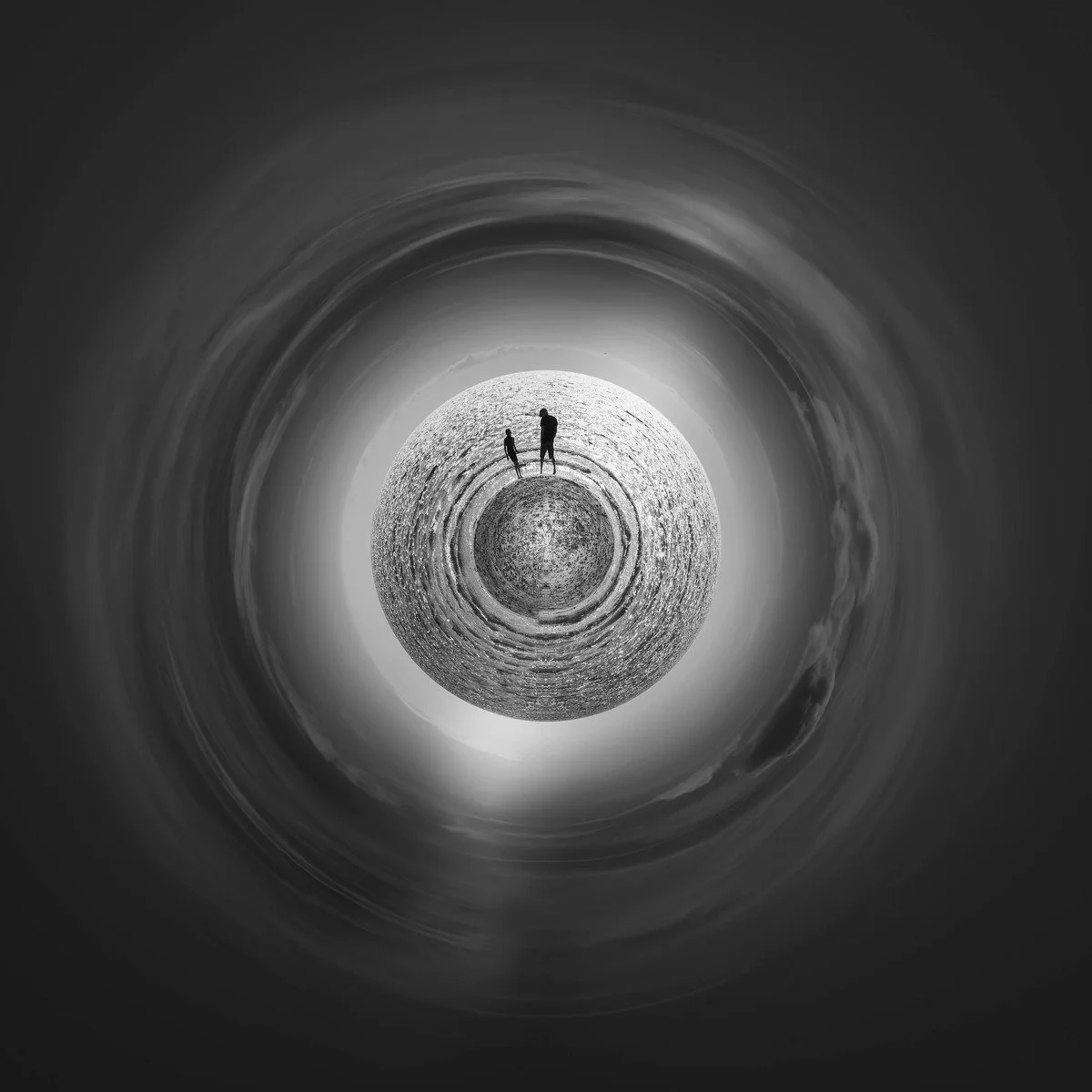
‘Dodge and Burn’ is a photo retouching technique. Widely used in black-and-white photography, it allows you to enhance contrasts, bring out details in highlights and shadows, and redefine forms. It can significantly enhance your photos.
This post-processing technique originally stems from analogue photography. It dates back to the days when photographs were processed in darkrooms and adjustments were made during the enlargement process, when the negative was projected onto paper.
In this photographic process, the area that is too dark and requires more light than the rest of the photograph is overexposed. This area is therefore exposed to the light from the projector for longer, and is said to be ‘burned’.
If, however, the area is too bright and requires less light, we shield it from the light for part of the exposure: we lighten it (a technique known as ‘dodging’).
With the passage of time and the advent of digital photography, the tools have evolved considerably, but the process remains fundamentally the same. Still very much in vogue, it helps to enhance the interpretation of the image and the subject.
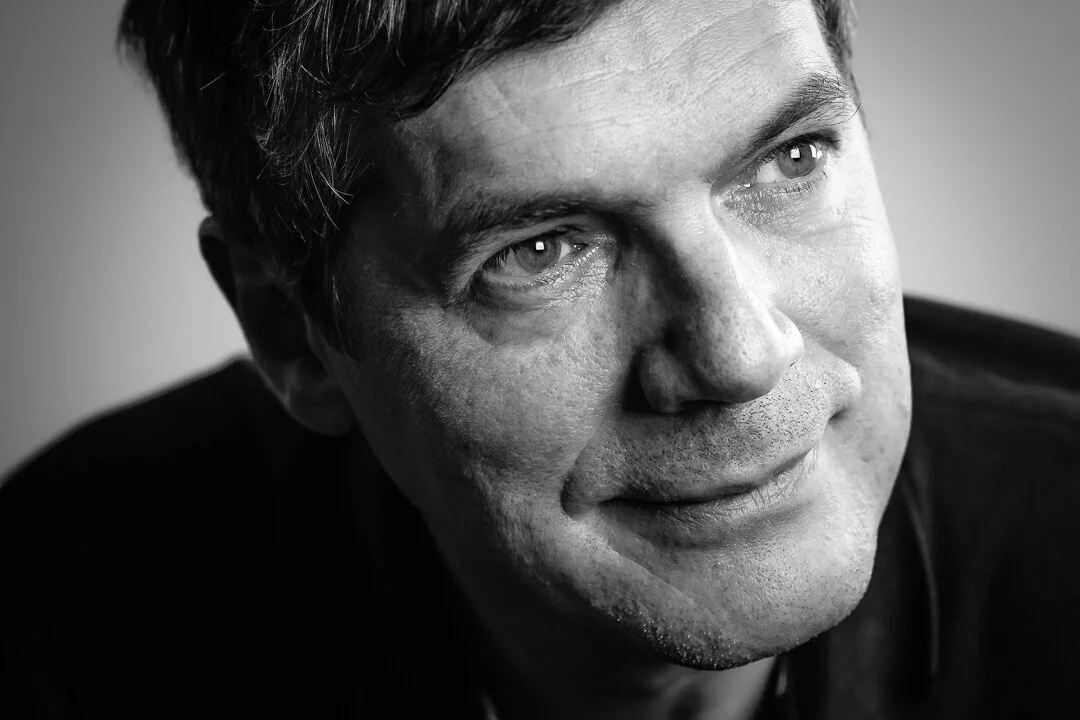
Ideal black and white for portraits
Black and white is ideal for all your portraits, whether they are for professional or artistic purposes. Black and white photography brightens your appearance, draws attention to your eyes and softens any minor imperfections.
By disregarding colour, you can play down elements that might seem incidental – such as the background, hair colour or clothing – and thus bring out the best in the subject’s facial expression. Completely timeless, your black-and-white portrait transcends the ages whilst remaining chic and elegant.
Selecting a black-and-white photograph primarily means opting for a timeless image.
Let our photographers guide you in creating your most beautiful black-and-white portrait.
Achieve a timeless look – choose black-and-white photography.
Black-and-white art photography: explore Paul Marnef’s Imaginary Planets
In his exclusive collection of black-and-white art photographs, Paul Marnef presents his *Imaginary Planets* with renewed intensity, stripped of colour to better reveal light, textures and emotions.
These limited-edition works are available as fine-art prints on a range of professional media. They offer a graphic, poetic and at times enigmatic vision of reimagined landscapes. Contrast and shades of grey highlight the essence of each scene, creating an aesthetic that is both contemporary and timeless. The collection can be viewed on his website, paulmarnef360.com. It is aimed at photography enthusiasts, collectors who appreciate elegant simplicity and anyone wishing to enhance their home with a unique and evocative piece of art.