How can you ensure a successful professional photo shoot for an artist’s portrait?
An artist’s portrait is more than a simple photograph. It reflects a personality, a world and a story. Therefore, a successful photo shoot for an artist requires care, preparation and technical skill.
A specialist photographer must combine artistic vision with professional rigour. Every detail counts: the location, the lighting, the equipment, the framing and even the retouching.
Let’s explore the eight key steps to creating a memorable artist portrait, using the example of international pianist Nadia Weintraub.
1. Preparation and planning for the artist’s portrait
First and foremost, taking a successful portrait of an artist requires meticulous preparation. The photographer and the artist discuss the shoot beforehand. The aim is to define the concept and the visual identity.
We need to ask ourselves several questions:
-
What kind of visual world do we want to convey?
-
Should we opt for a minimalist setting or one rich in symbolism?
-
Does the artist prefer a minimalist style or a more creative presentation?
Another key aspect is personal rapport. Establishing strong rapport with the artist being photographed is essential. Understanding their background, expectations and requirements regarding the portrait enables you to create a true-to-life image. This initial dialogue builds trust and ensures a more natural photo shoot.
In short, this phase aligns the artist’s creative vision with the photographer’s technical expertise.
2. Choosing the right equipment for the photo shoot
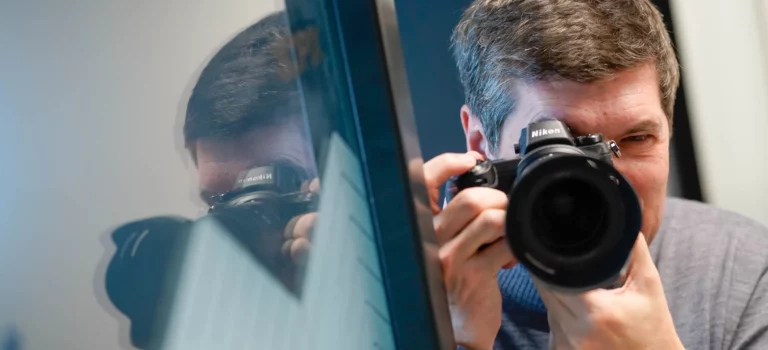
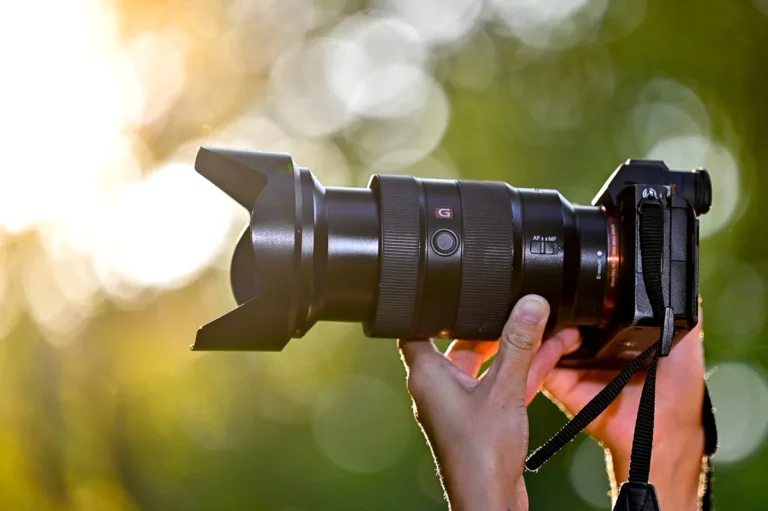
A professional photographer knows that the choice of equipment directly affects the final image. For an artist’s portrait, the quality of the camera body and lenses is paramount.
A full-frame DSLR or mirrorless camera remains ideal. Prime lenses (50 mm or 85 mm) produce a silky bokeh and flatter the face. Conversely, a wide-angle lens may be suitable for capturing the studio, the stage or a landscape.
Don’t forget the accessories:
-
a tripod to stabilise,
-
one or more reflectors to soften the light,
-
several flashes,
-
and sometimes a plain background for a minimalist look.
Thanks to this equipment, the photographer can tailor the photo shoot to each artist’s unique style.
3. Choose the location for the photo shoot
The choice of location significantly influences the emotion conveyed. A photography studio provides full control over lighting and backdrop. By contrast, a shoot outdoors or in the artist’s studio brings a sense of authenticity and naturalness.
For example:
-
For a painter, a studio filled with canvases already tells a story.
-
For a musician, the stage or the instrument becomes central.
-
For a writer, a library creates an inspiring atmosphere.
Therefore, the location should never be chosen at random. It must reinforce the message of the portrait photograph.
I prefer to visit the artist at their workplace. They will be in their element and more at ease.
4. Mastering lighting in an artist’s portrait
Light is crucial for a successful portrait. It sculpts the features, creates shadows and sets the mood.
-
Natural light, soft and diffused, creates an authentic look.
-
Studio flashes enable precise lighting shaping and contrast control.
-
A wide-aperture lens (f/1.8 or f/2.8) helps to separate the subject from the background.
That is why an artistic photographer must be able to balance natural and artificial light sources. The aim is always the same: to bring out the subject’s creative personality.
5. Framing and composition of the portrait
An artist’s portrait is not merely a face positioned in the centre. The composition contributes to the emotional impact.
The photographer can use the rule of thirds to balance the image. The focus should always be on the eyes, the windows to the soul.
Various framing options are possible:
-
a close-up of the face to create an intimate effect,
-
the US plan incorporating the instrument or tool,
-
a wide shot to place the artist in their environment.
By varying the angles, the photographer captures not only an appearance, but also an essence.
6. Create a natural interaction with the artist
A portrait photography shoot is not just about technique. The atmosphere plays a crucial role. The photographer must create a relaxed atmosphere.
A genuine portrait of an artist stems from a relationship of trust. The photographer encourages, guides and suggests different poses. Some will be posed, whilst others will be more spontaneous.
Ultimately, it is often in these moments of sincerity that we catch a glimpse of the artist’s true personality.
7. The role of post-processing and retouching
Once the shoot is complete, the work continues. Post-processing allows us to enhance the image while preserving its authenticity.
The sensors in professional cameras capture every detail. Whilst this is an advantage in terms of sharpness, it can sometimes be a disadvantage when it comes to skin. Minor imperfections become all too visible.
That is why I apply a softer touch when retouching portraits of women, to preserve the delicacy of the image. For portraits of men, I sometimes retain a little more texture.
I carry out most of my post-processing in Lightroom. The adjustments I make relate to white balance, brightness, contrast and sharpness. The aim is to enhance the portrait without distorting the subject’s appearance.
In short, successful retouching enhances the image whilst always respecting the authenticity of the artist being photographed.
8. Present and promote portraits of artists
Finally, the presentation is just as important as the photograph itself. An artist’s portrait can take several forms:
-
high-quality prints,
-
photo books or portfolios,
-
online presentations on a website or on social media,
-
exhibitions in galleries or at festivals.
-
Above all, we ensure prompt delivery of retouched photos to the client (within 24 hours).
A beautiful portrait deserves a finish to match. A fine art print, for example, guarantees exceptional durability and colour vibrancy.
A practical example: the portrait of Nadia Weintraub
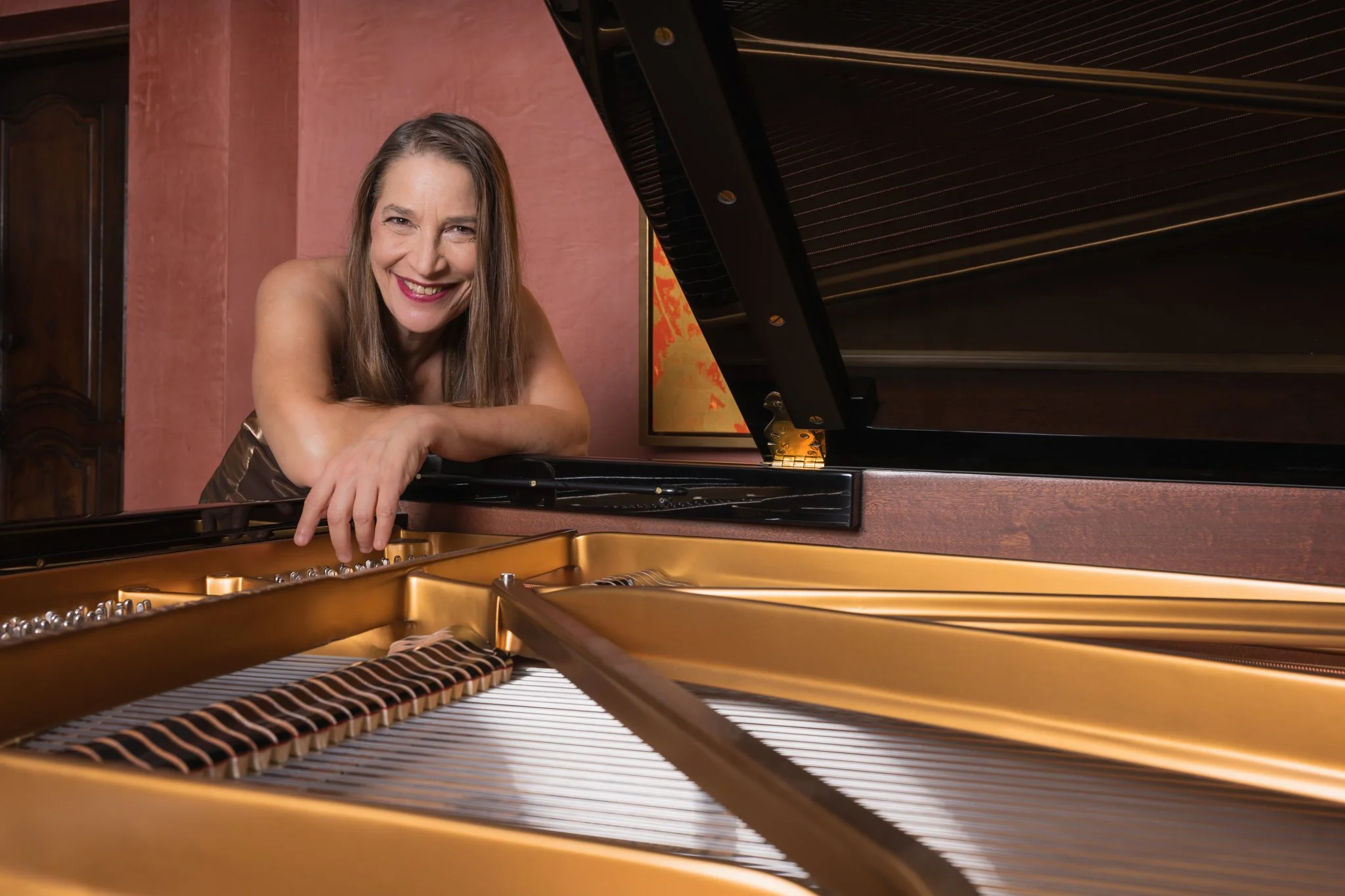
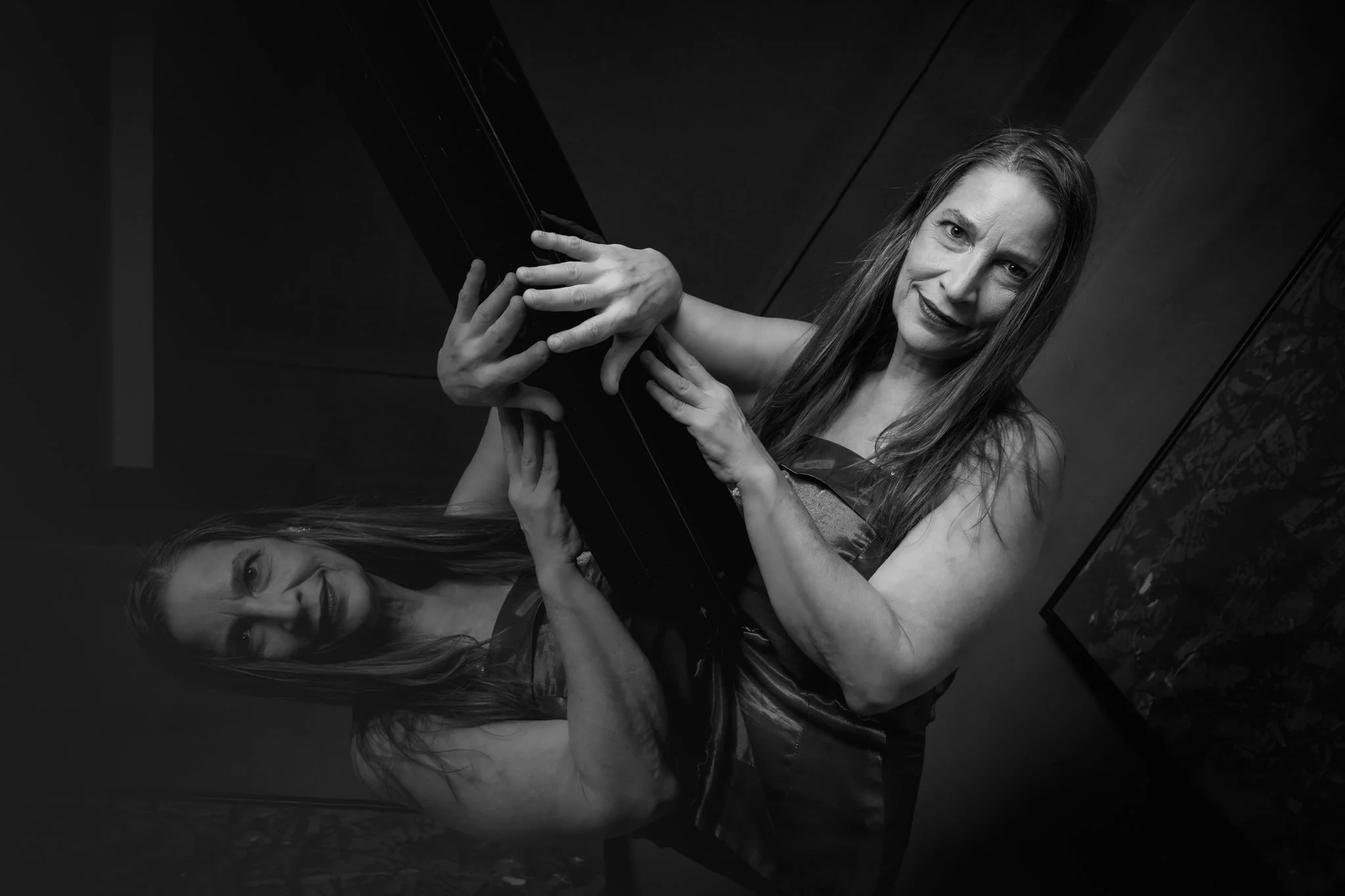
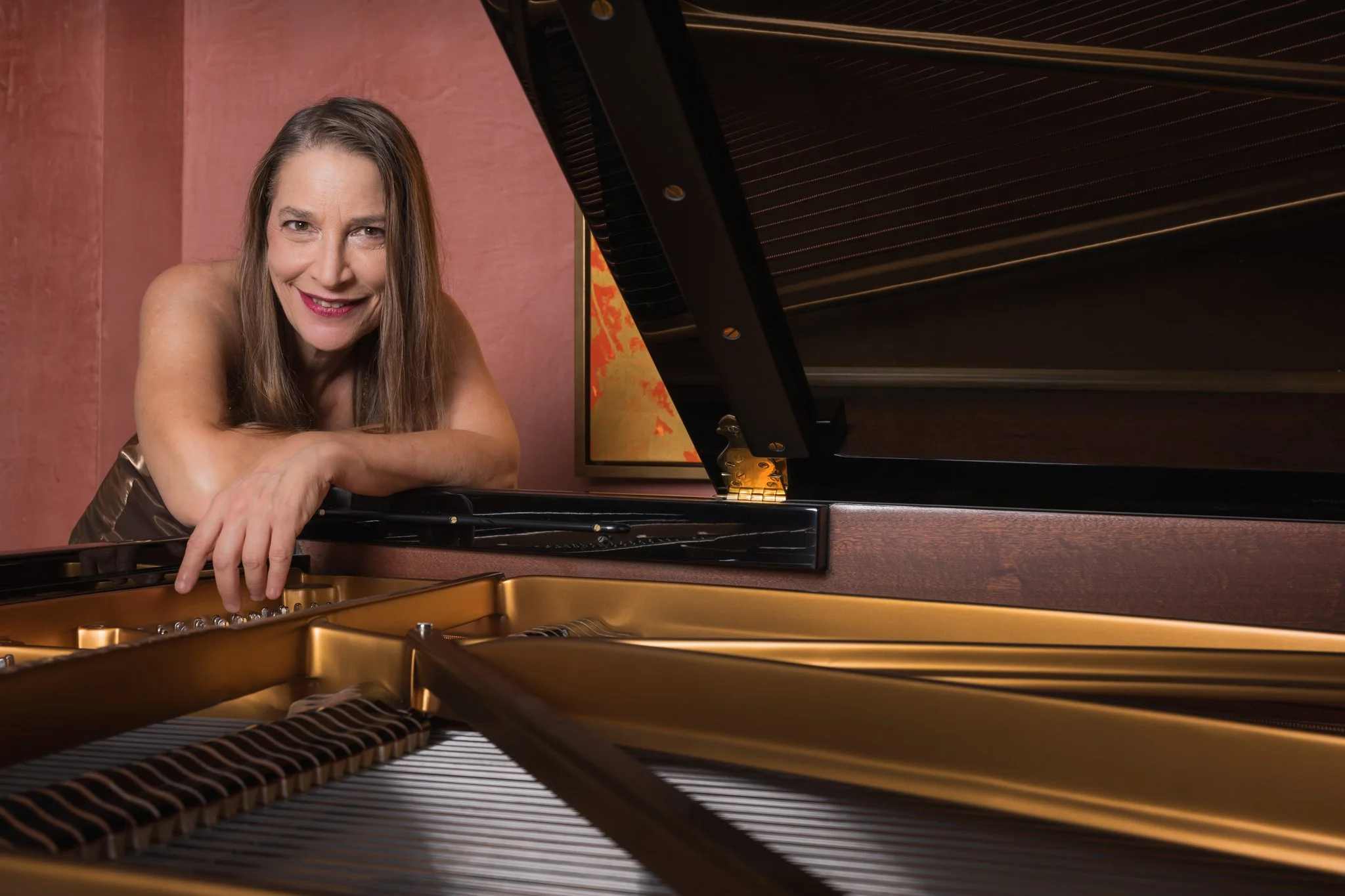
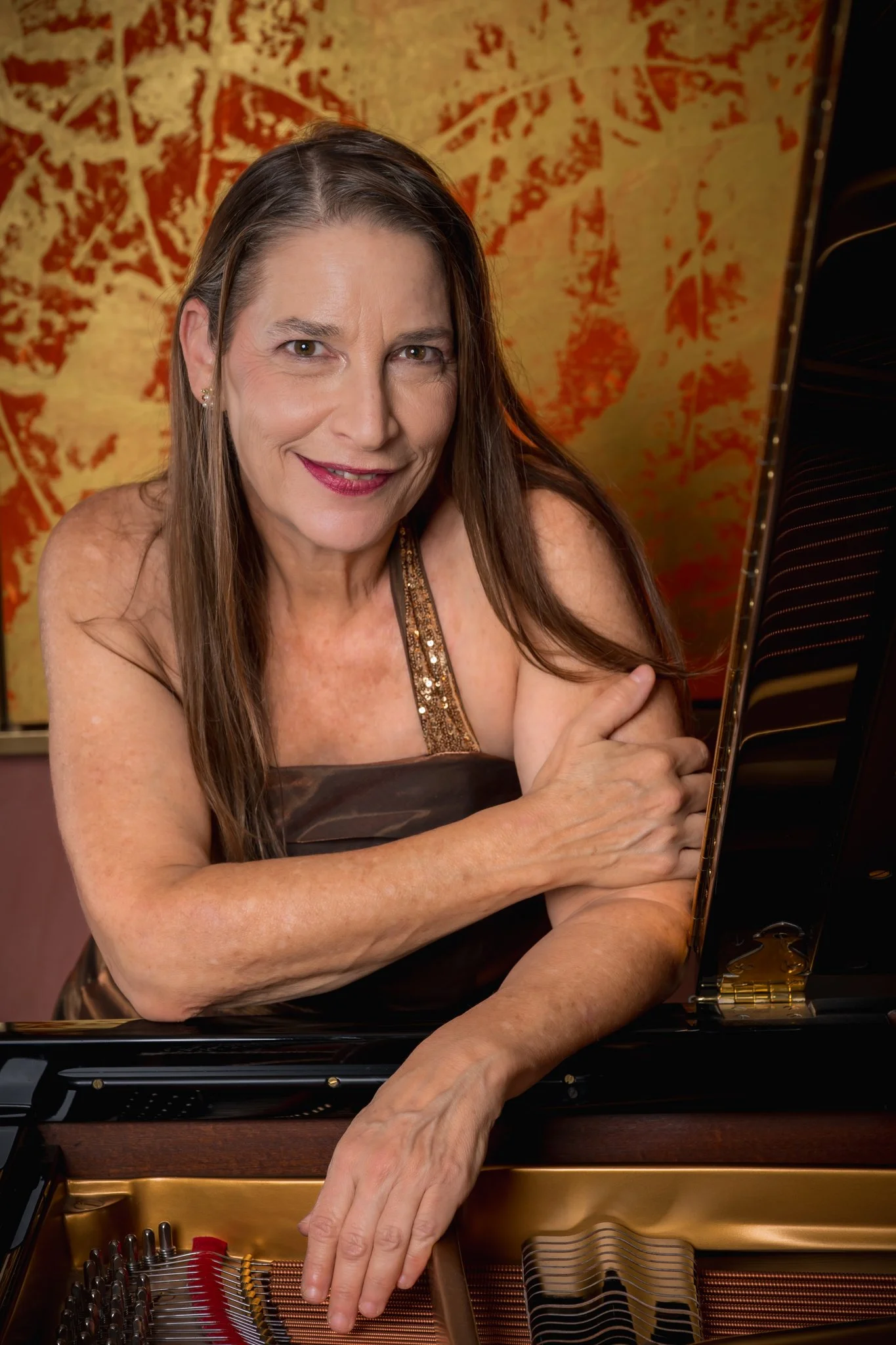
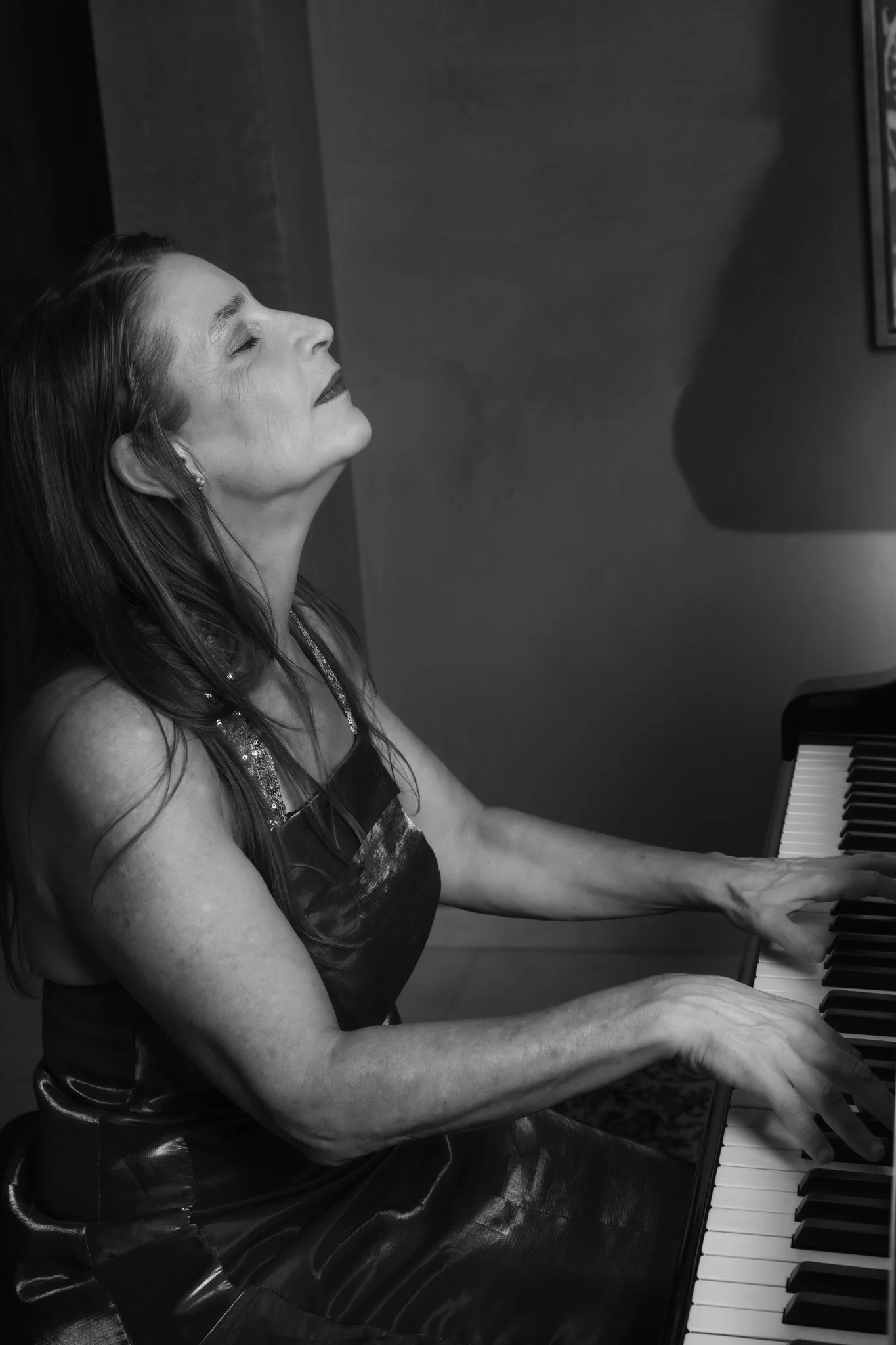
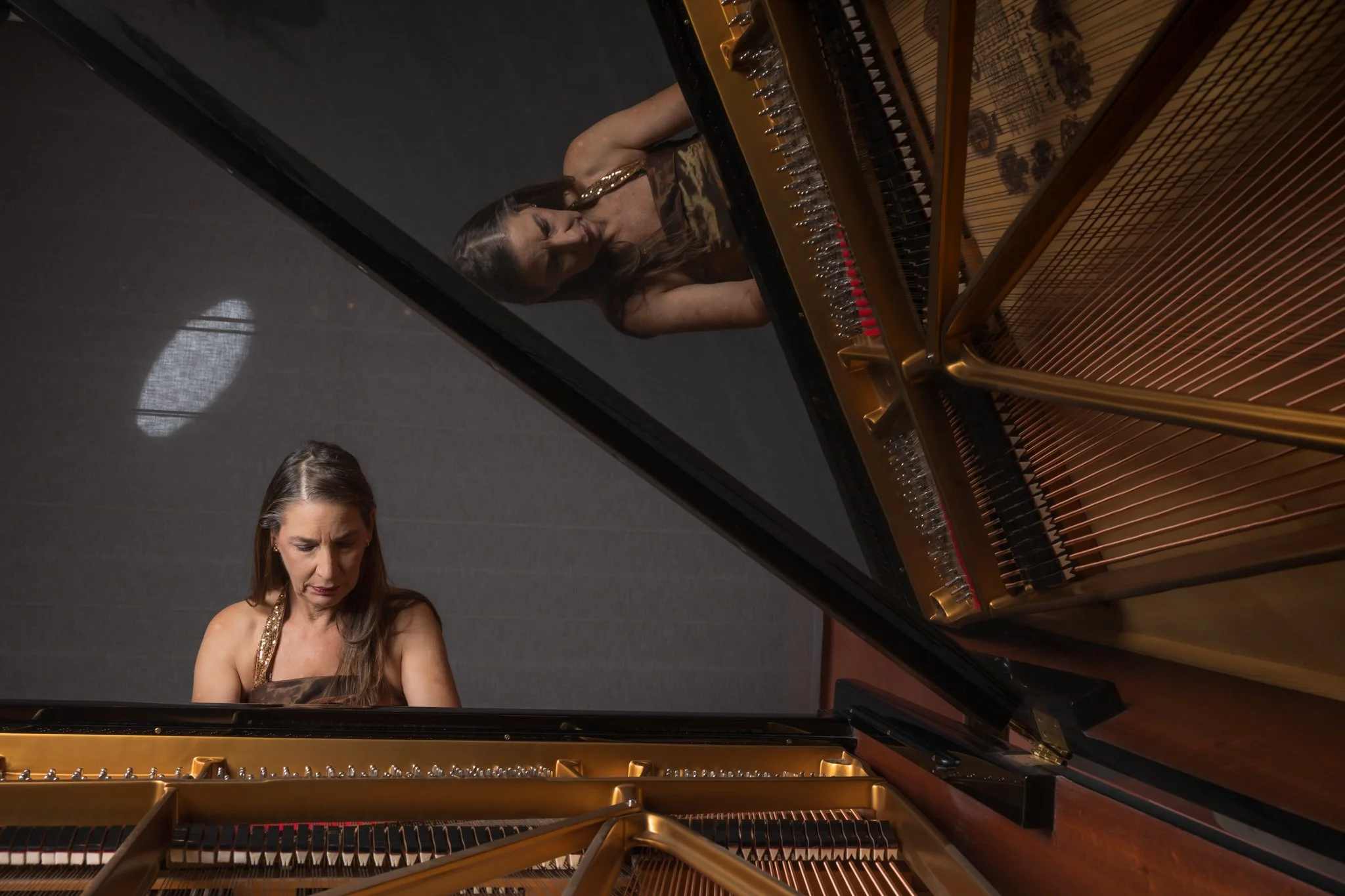
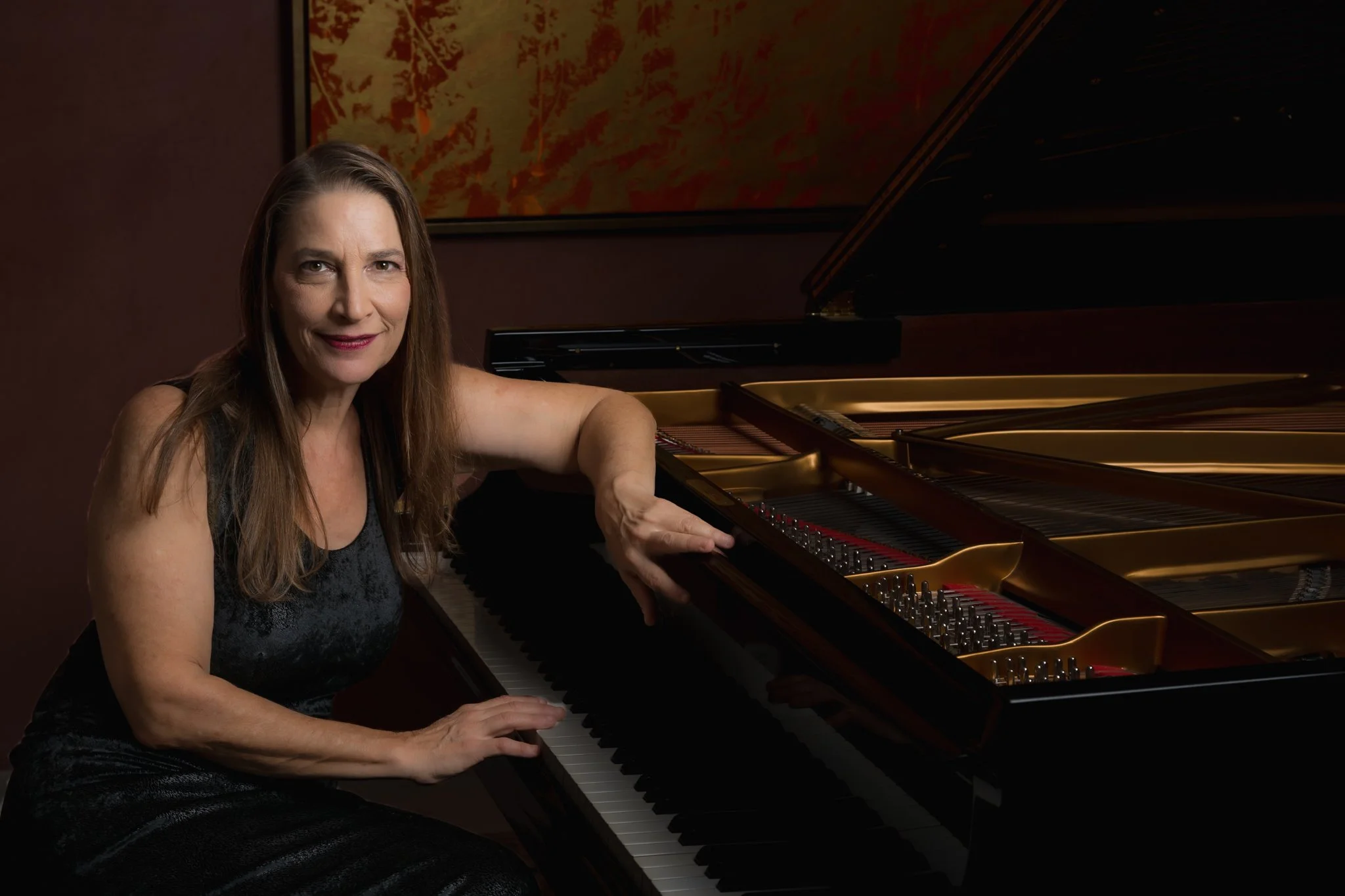
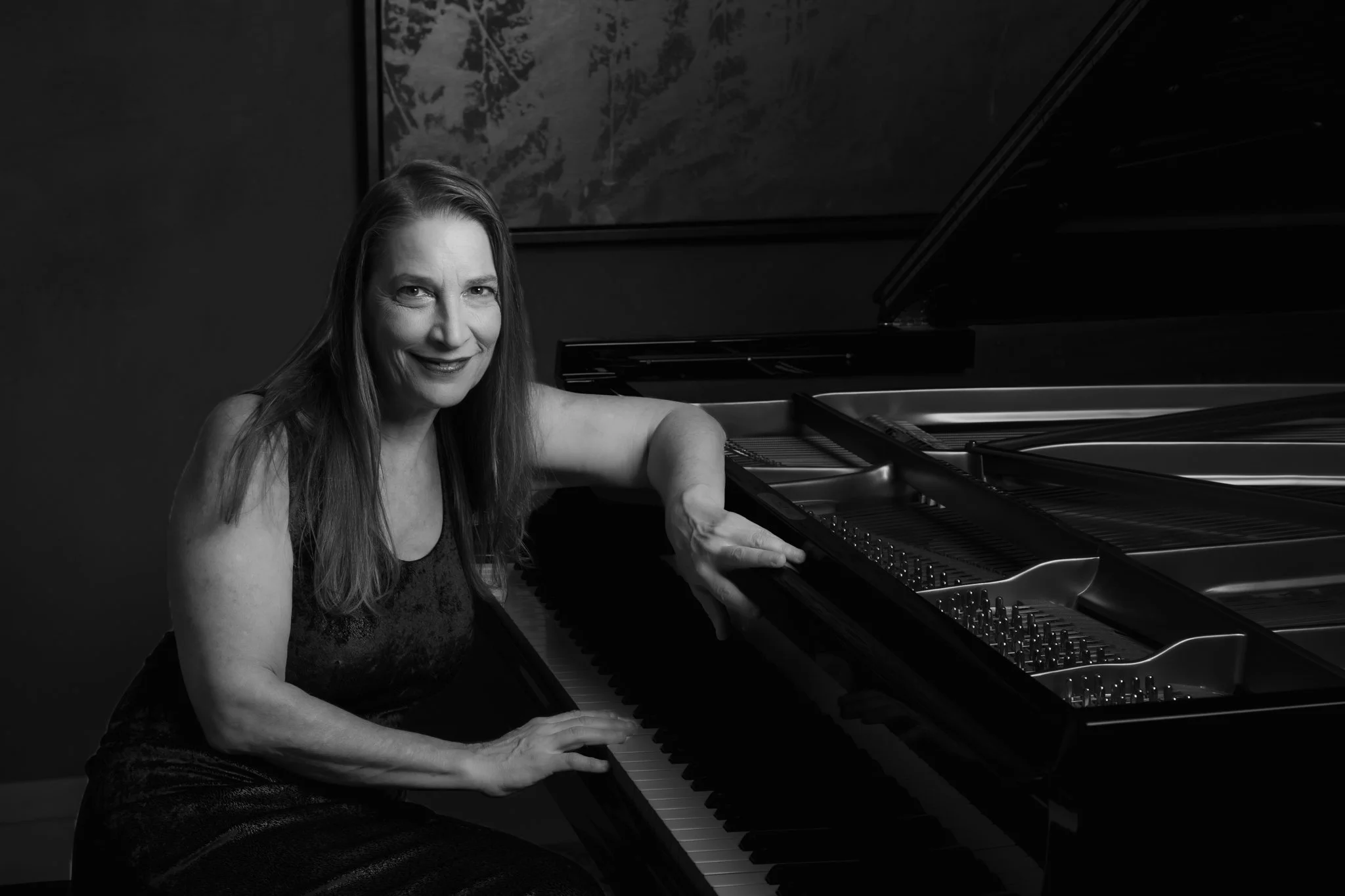
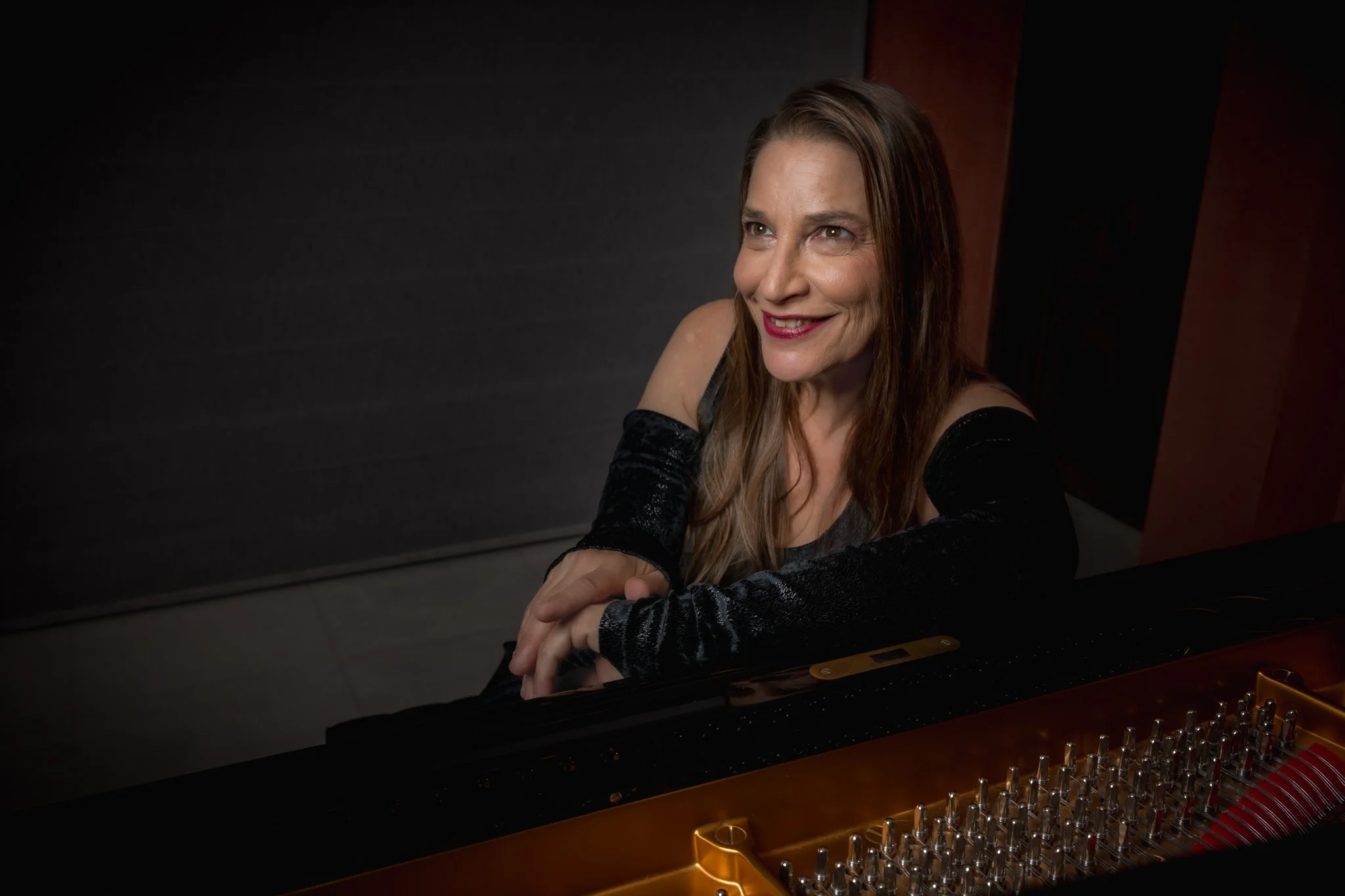
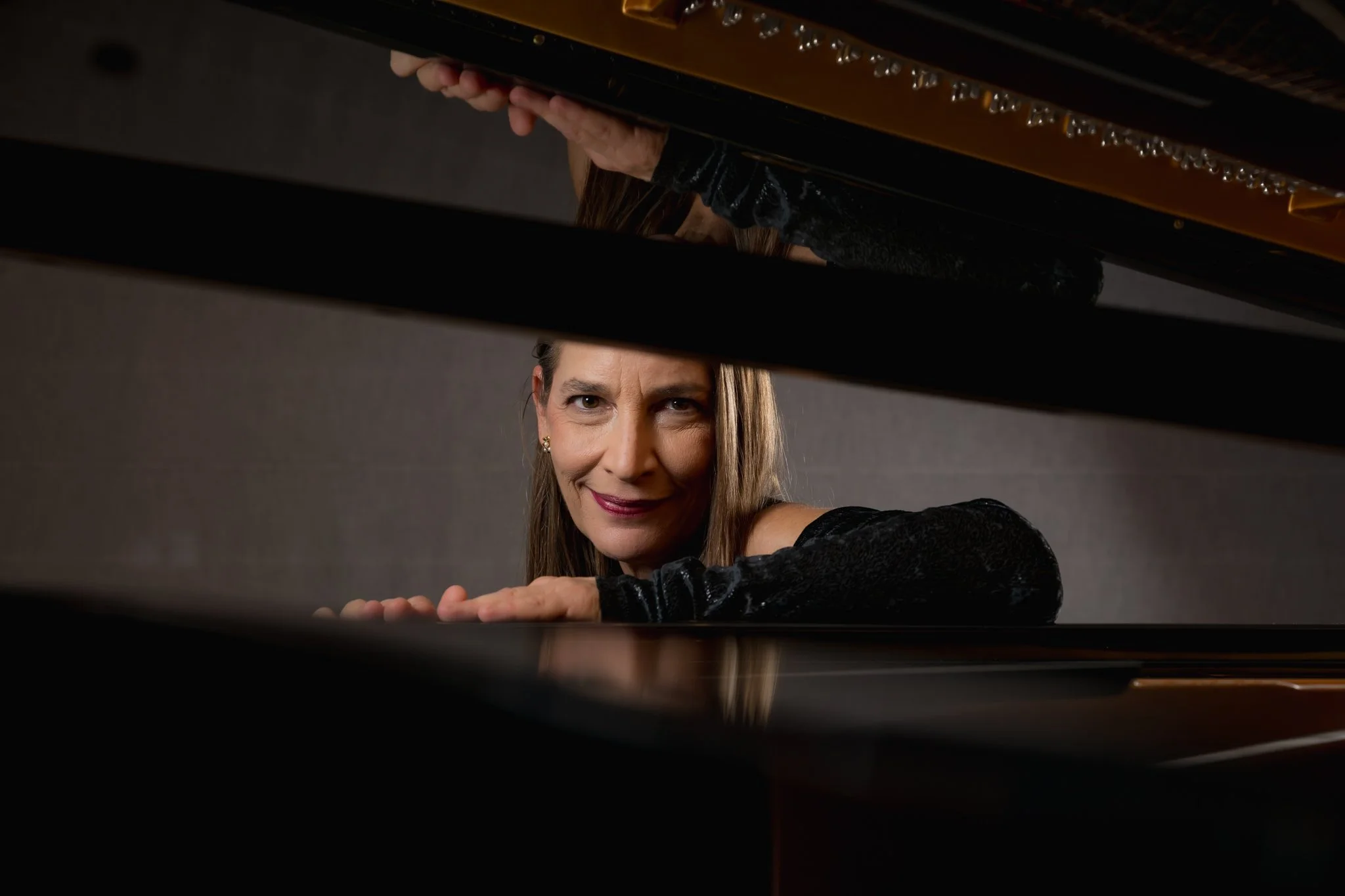
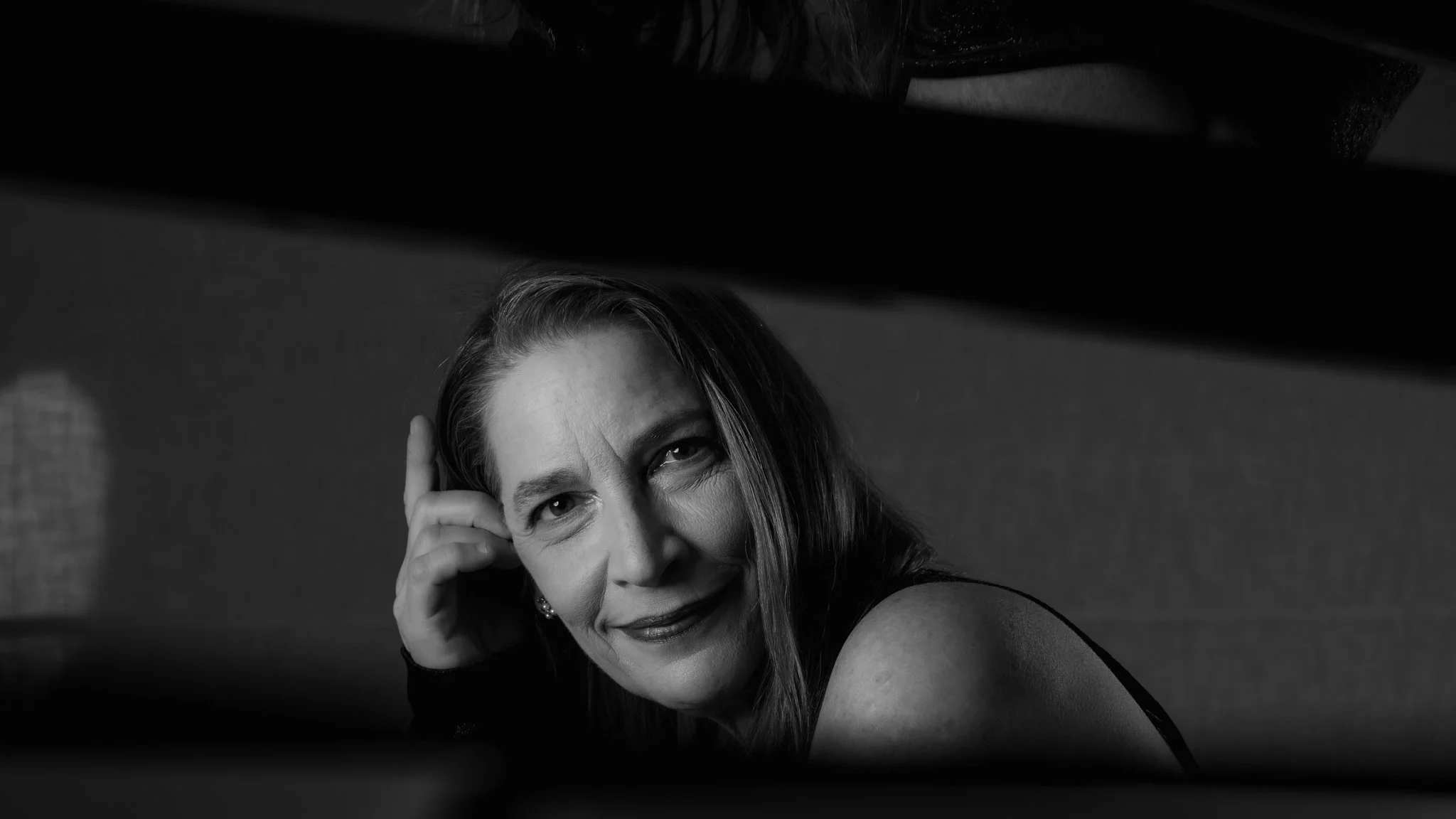
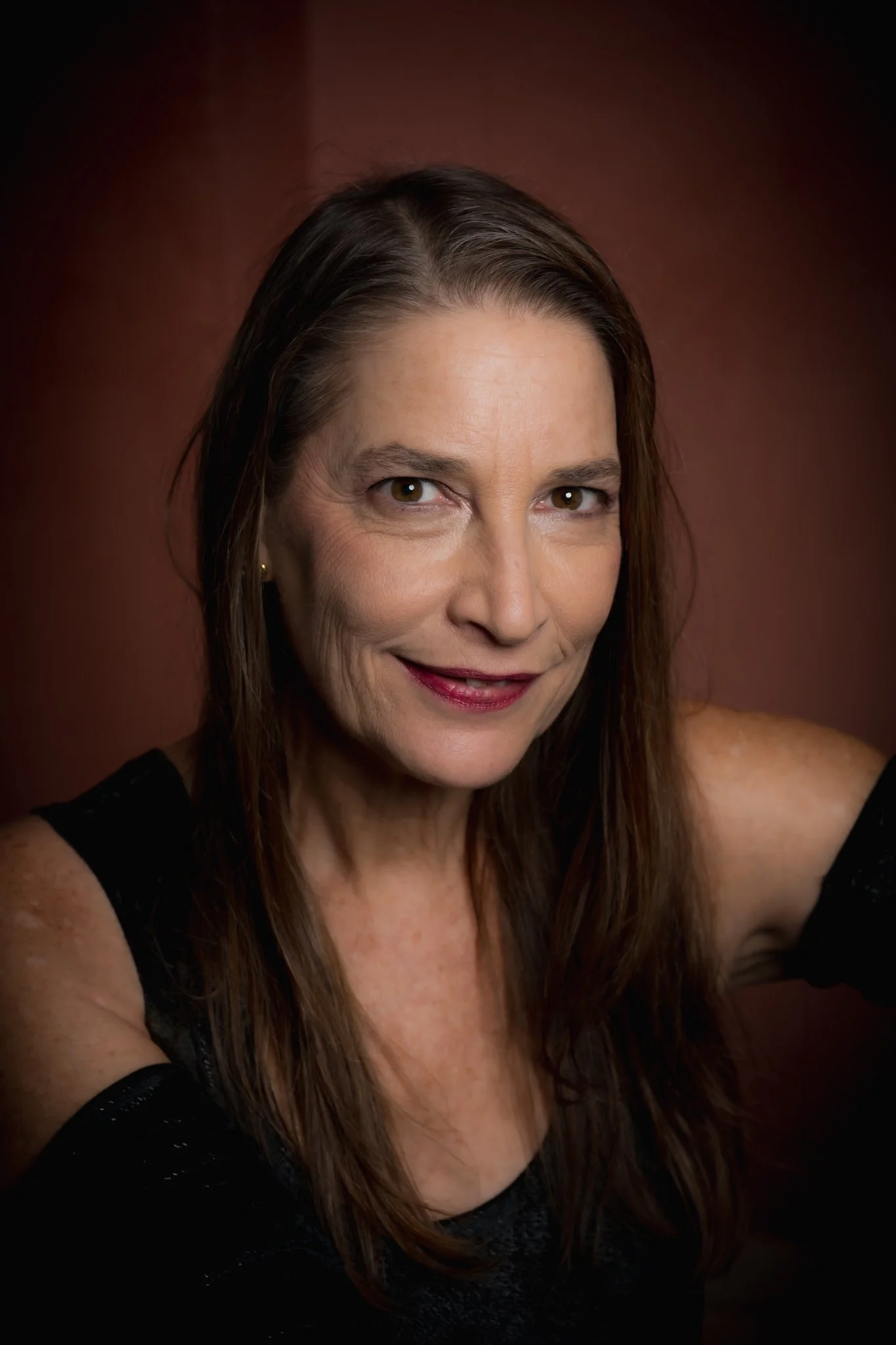
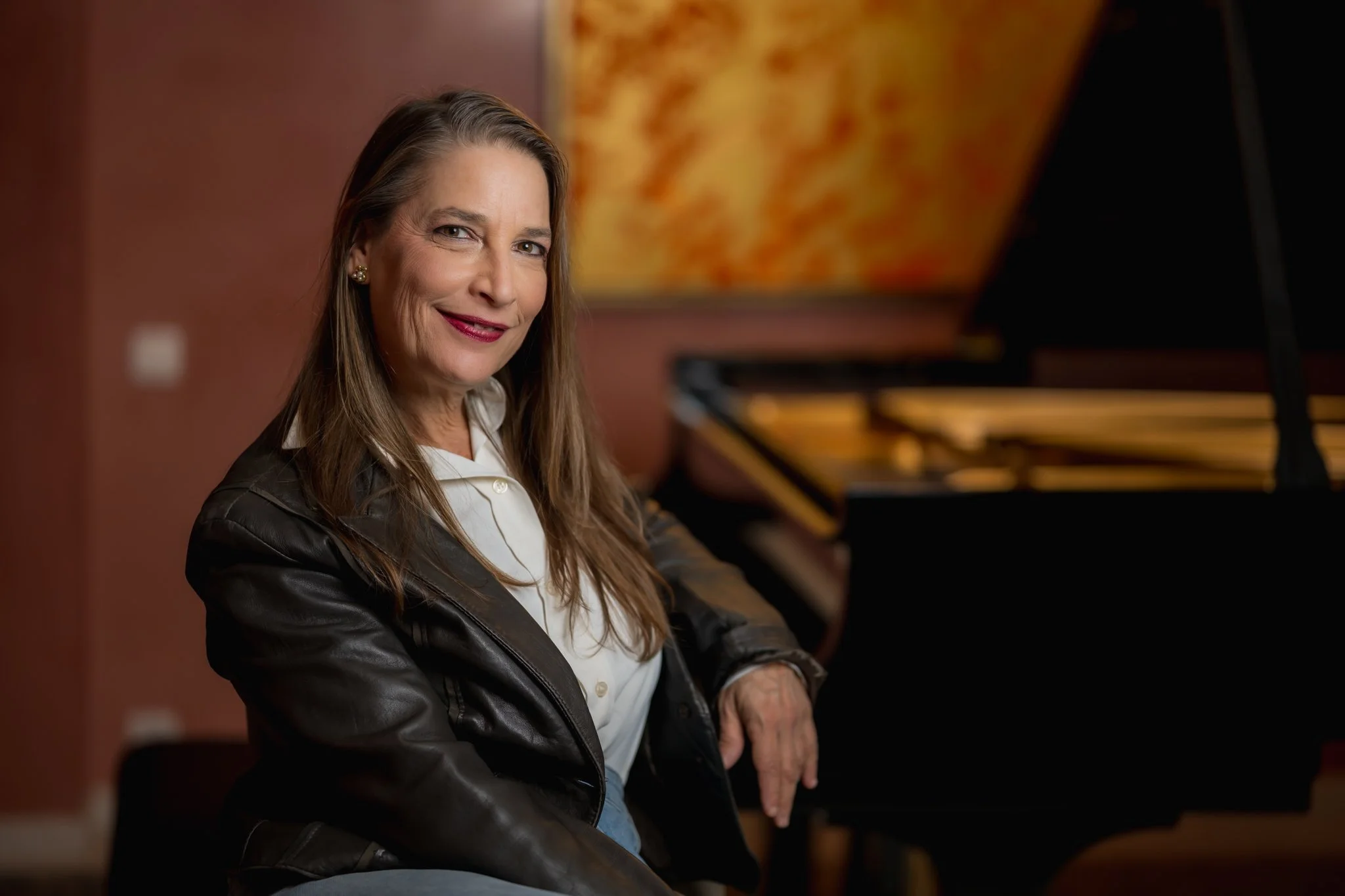
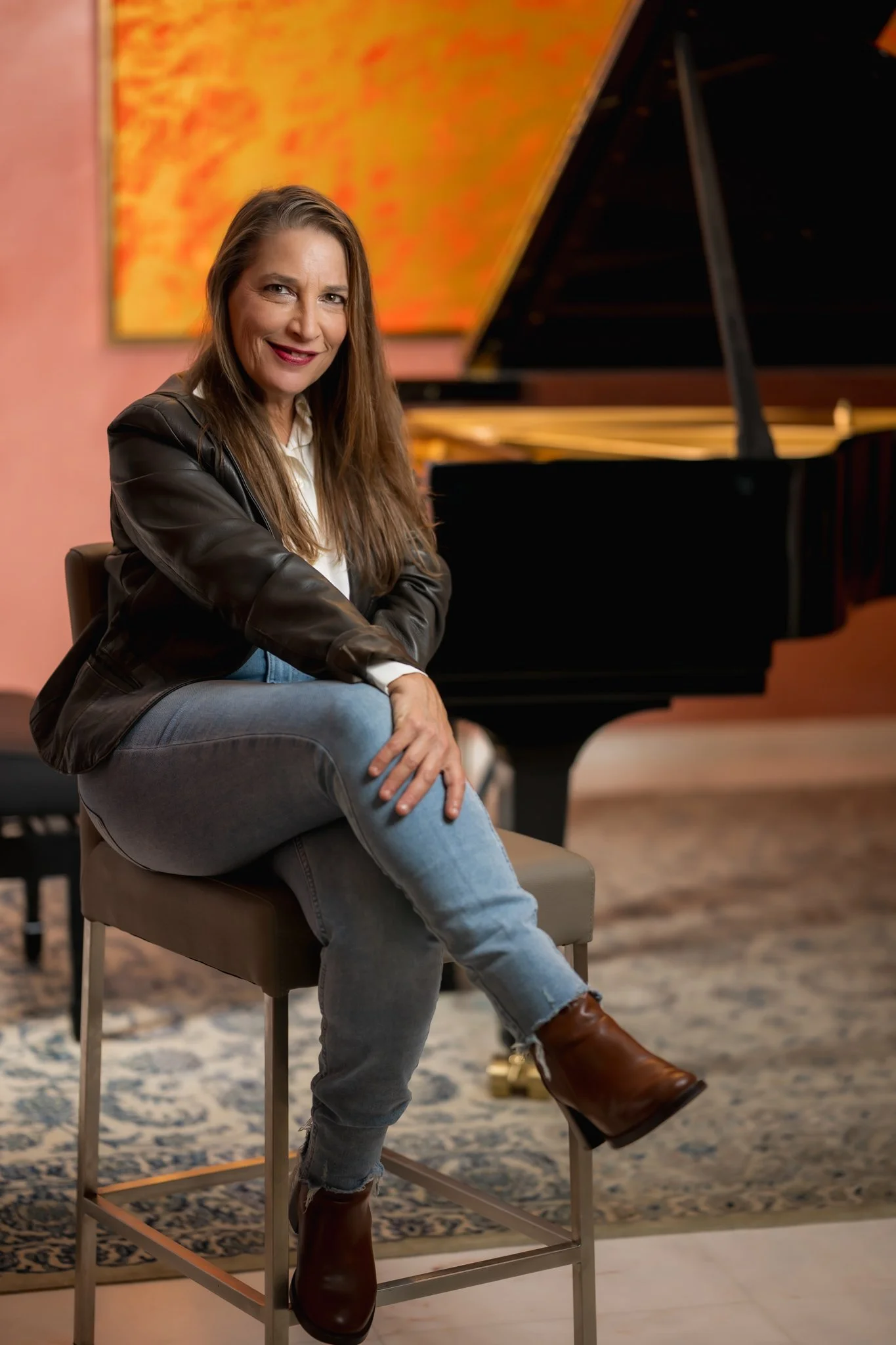
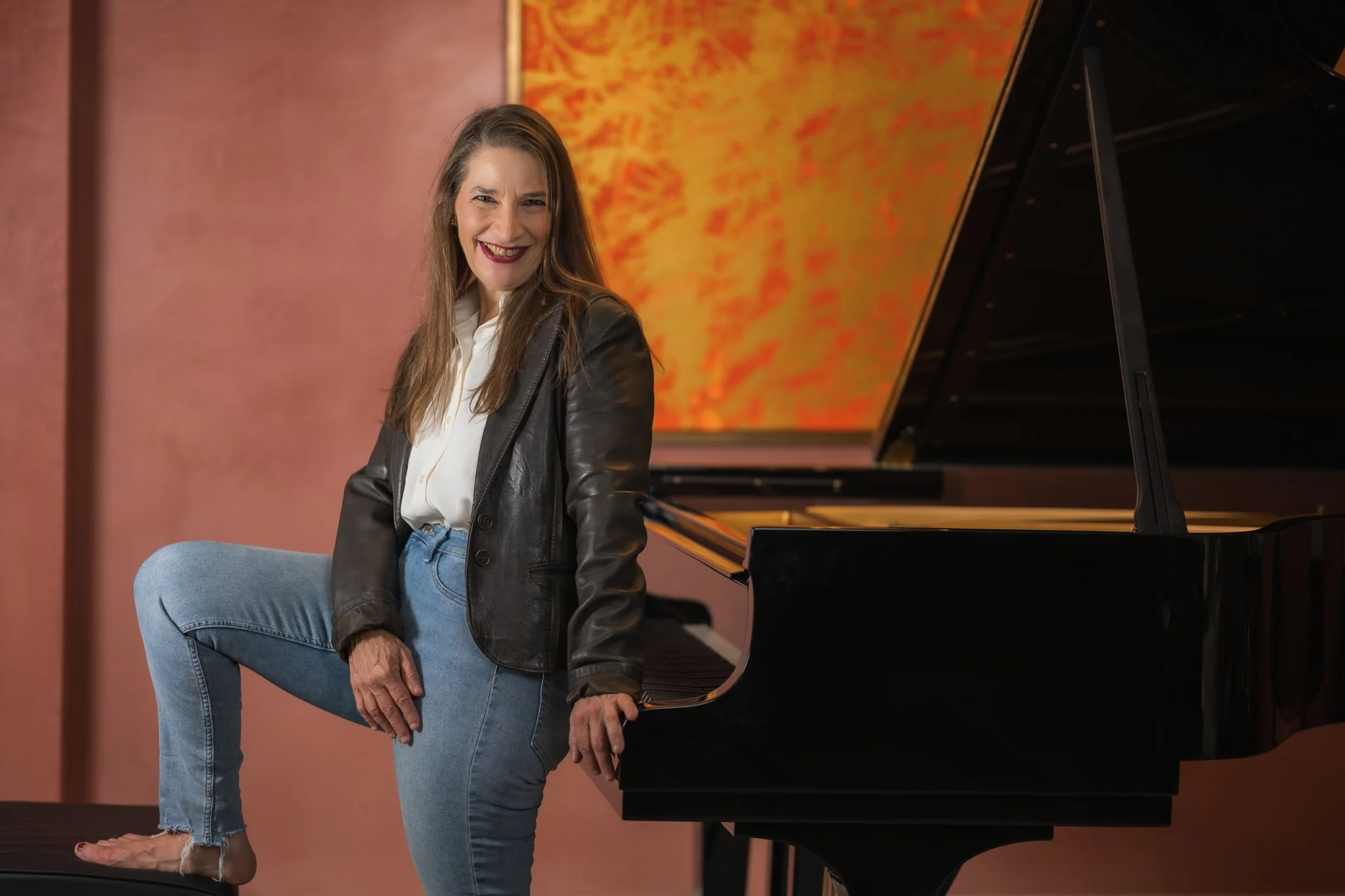
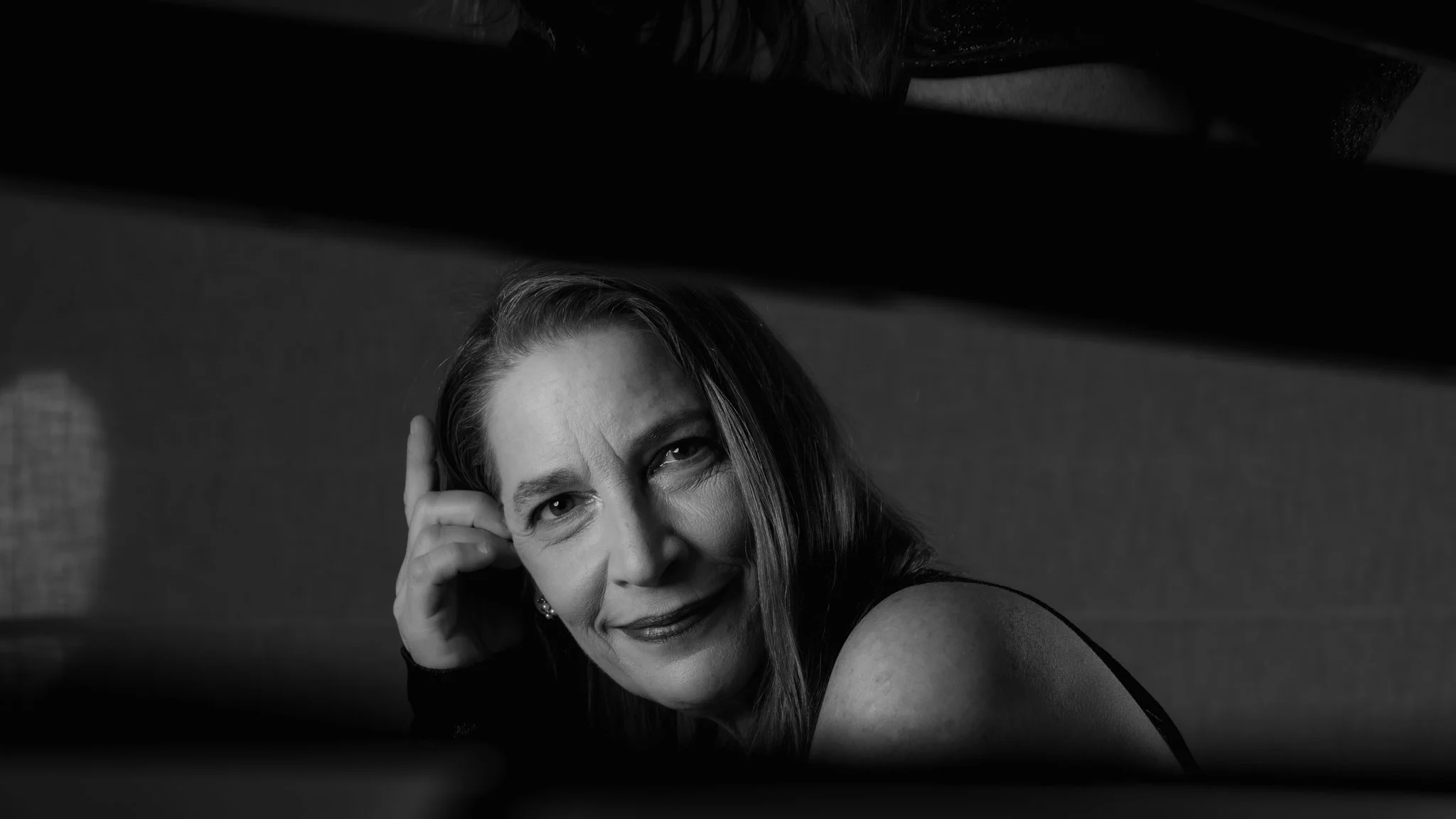
To illustrate these steps, let’s take the example of international pianist Nadia Weintraub. We recently had the honour of profiling her.
The preparation began with a discussion about her expectations. She wanted a look that was both understated and luminous, in keeping with her music.
We selected soft, enveloping lighting to convey the delicacy of her performance. The framing was chosen to emphasise her gaze and her hands, symbols of her art.
Thanks to this photo shoot, Nadia Weintraub now has an artist’s portrait that fully reflects her musical and personal identity.
Artist portraits and corporate photography
At ISOWAY, we bridge the gap between the corporate world and the artistic world. Indeed, these two worlds share similar needs:
-
develop a visual identity,
-
to inspire confidence,
-
and communicate effectively.
An artistic portrait therefore forms part of an overall strategy. It can be used in a press release, on a poster, in a portfolio or even in a corporate campaign.
That is why corporate photography, when applied to artists, becomes a powerful tool. It conveys a professional image whilst remaining true to the artist’s authenticity.
Conclusion
In conclusion, a successful portrait of an artist depends on a balance between technique, human connection and sensitivity. Every stage, from preparation to the final print, contributes to creating a powerful and lasting image.
A professional photo shoot reveals an artist’s essence and shares their world with the public. Nadia Weintraub is a prime example: her portrait captures the spirit of her music and her authenticity.
For all these reasons, investing in a photographer who specialises in artist portraits is essential. At ISOWAY, we believe that every creative artist deserves a portrait that showcases their talent and tells their story.